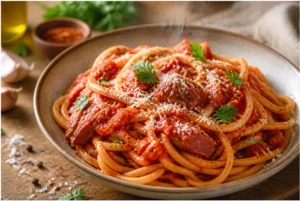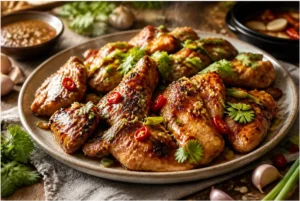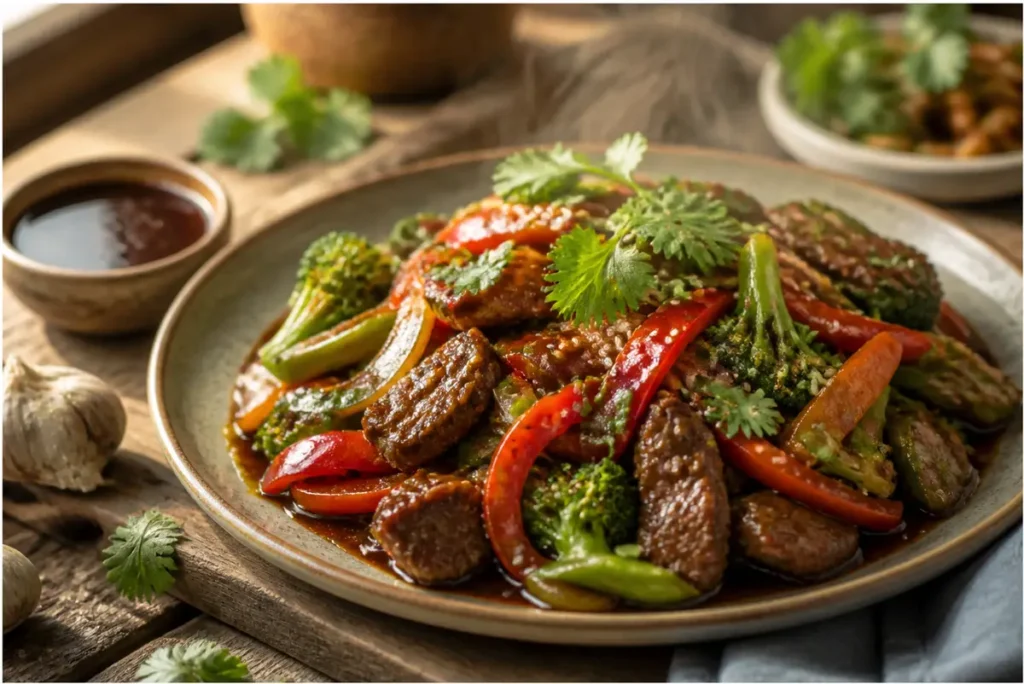
When dinner tastes flat, I reach for hoisin sauce. Its sweet, salty, savory flavor can rescue a tired skillet in minutes, and these Hoisin Sauce Uses for Stir-Fries, Marinades, and Dips make one bottle far more useful than it first appears. I love it with crisp vegetables, glossy noodles, grilled chicken, and anything that needs a bold finish.
This easy sauce guide shows you how to use hoisin sauce in practical ways without burying your food under sugar or salt. You’ll learn how to balance it with garlic, rice vinegar, sesame oil, and a little water so it brushes, coats, and dips beautifully.
Once you understand the balance, you can turn this homemade-style mixture into a hoisin sauce for stir fry, a quick hoisin sauce marinade, or a hoisin dipping sauce for dumplings and spring rolls. It takes about 10 minutes, and there’s no fancy equipment involved.
Table of Contents
Why These Hoisin Sauce Uses Deserve a Spot in Your Kitchen
- Fast and beginner-friendly: You can mix the sauce in about 10 minutes with a whisk and a small saucepan.
- Made with pantry staples: Hoisin sauce, garlic, vinegar, sesame oil, and a few everyday seasonings create plenty of depth.
- Useful across several meals: Use it in stir-fries, as a marinade, or beside dumplings, roasted vegetables, and grilled meat.
- Restaurant-style flavor at home: Fresh garlic and a splash of vinegar keep the sauce brighter than many bottled versions.
What Makes This Hoisin Sauce Combination So Flavorful?
Hoisin sauce already brings fermented bean savoriness, sweetness, and a thick texture. I sharpen that richness with rice vinegar, then add garlic, ginger, sesame oil, and a touch of chili. The result tastes full and rounded rather than simply sweet.
The small saucepan matters. Gentle heat softens the garlic and lets the flavors mingle, while a cornstarch slurry gives the sauce a smooth, clingy finish. Homemade wins here because you can control the salt, heat, and thickness instead of accepting whatever comes in the jar.
If you’re building a weeknight meal around vegetables or noodles, my stir fry sauce recipe is another helpful starting point. It uses the same idea of balancing salty, sweet, acidic, and aromatic flavors.
Ingredients You’ll Need for These Hoisin Sauce Uses
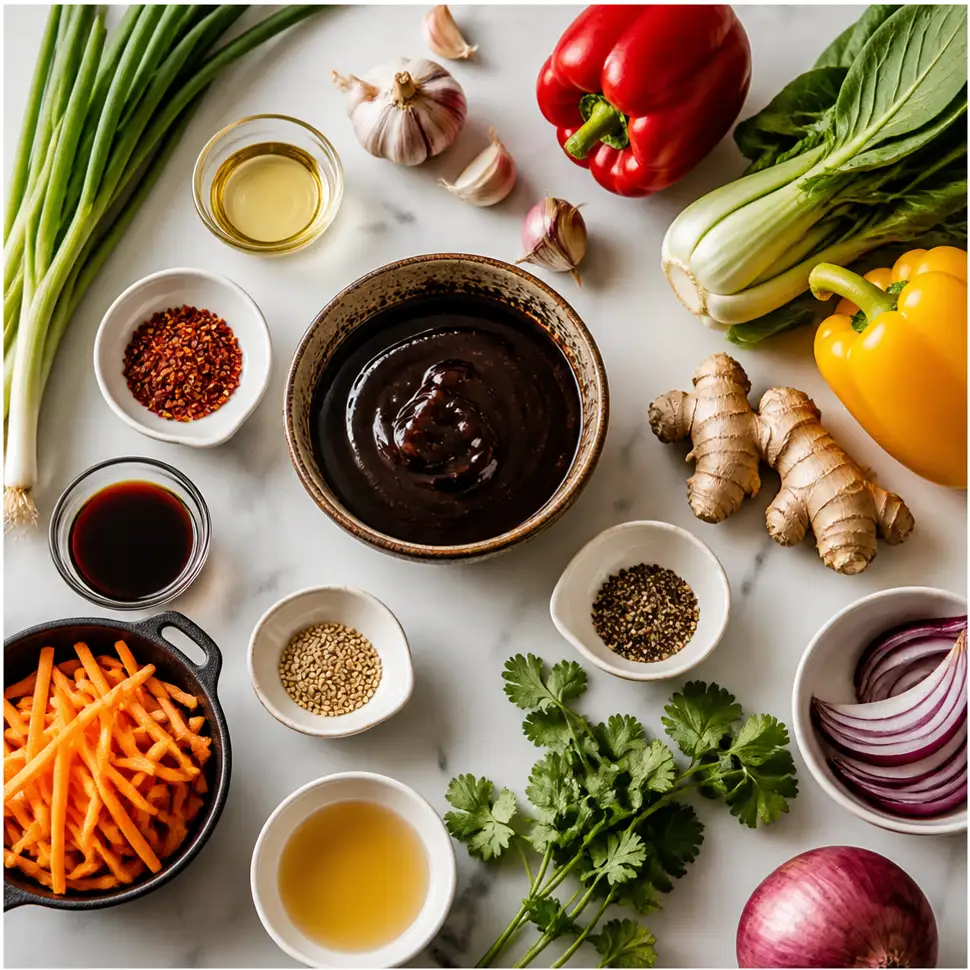
These amounts make about 1 cup of sauce, enough for four to six servings as a stir-fry coating, marinade, or dipping sauce.
- 3/4 cup hoisin sauce: This forms the sweet, savory base. Choose a gluten-free brand if needed.
- 1/4 cup water: It loosens the thick hoisin sauce and gives you room to adjust the consistency.
- 2 garlic cloves, finely minced: Fresh garlic adds warmth and a sharper aroma than garlic powder.
- 1 teaspoon grated fresh ginger: Ginger keeps the sauce lively. Use 1/4 teaspoon ground ginger if fresh isn’t available.
- 2 tablespoons rice vinegar: Its gentle acidity cuts through the sweetness. Apple cider vinegar works in a pinch.
- 1 tablespoon low-sodium soy sauce: It adds umami and salt. Use tamari for a gluten-free version.
- 1 teaspoon toasted sesame oil: This gives the sauce its nutty finish. Add it after cooking for the clearest flavor.
- 1 teaspoon honey or brown sugar: Use this only if you want extra sweetness or a glossier glaze.
- 1/2 teaspoon crushed red pepper flakes: Add heat to taste, or leave them out for a mild sauce.
- 1 teaspoon cornstarch mixed with 1 tablespoon cold water: This slurry thickens the sauce smoothly without lumps.
How to Build Hoisin Sauce Uses for Stir-Fries, Marinades, and Dips Step by Step
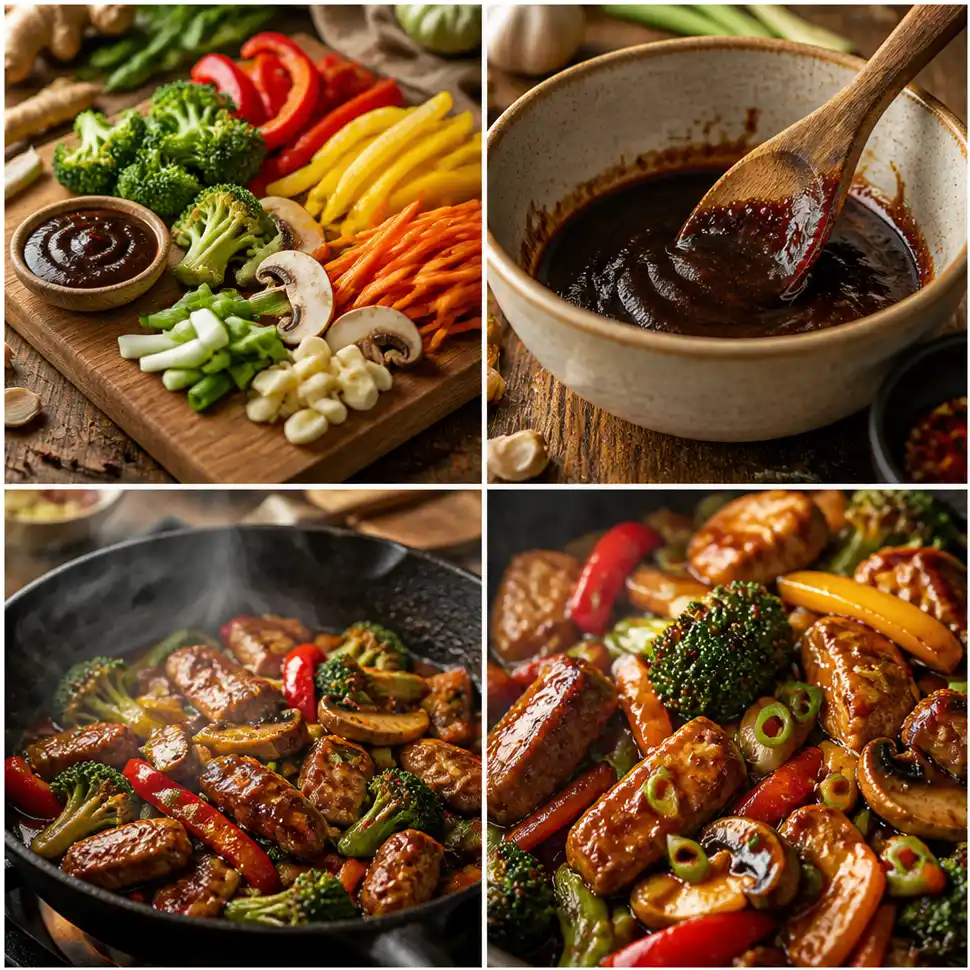
- Whisk the hoisin sauce, water, garlic, ginger, rice vinegar, soy sauce, honey or brown sugar, and red pepper flakes in a small saucepan. Mix until the sweetener dissolves and the garlic distributes evenly.
- Warm the mixture over medium-low heat for 3 to 4 minutes. Stir often, and watch for gentle steam rather than a hard boil. The sauce should smell garlicky and aromatic without scorching around the edges.
- Stir the cornstarch slurry once more, then pour it into the warm sauce while whisking constantly. This prevents the starch from settling and forming little rubbery lumps.
- Simmer the sauce for 1 to 2 minutes, whisking until it lightly coats the back of a spoon. It should look glossy and pour slowly, but it shouldn’t feel gummy. If it becomes too thick, whisk in water one teaspoon at a time.
- Remove the saucepan from the heat and stir in the sesame oil. Adding it at the end preserves its toasted aroma, which can disappear during prolonged cooking.
- Taste the sauce after it cools for a minute. Add a splash of vinegar for brightness, water for a thinner dip, chili flakes for heat, or a little honey if the vinegar tastes too noticeable.
- Coat cooked chicken, beef, tofu, shrimp, or vegetables with the warm sauce. For a stir-fry, add it during the final 1 to 2 minutes so it clings without burning.
- Cool the remaining sauce before transferring it to a clean jar. The sauce thickens slightly as it cools, so don’t reduce it too far on the stove.
Small Details That Make These Sauces Turn Out Better
- Keep the heat gentle: Hoisin sauce contains sugar, so high heat can make it scorch before your food is coated. Medium-low heat gives the aromatics time to soften.
- Adjust after cooling: Warm sauce often tastes thinner and less salty than cooled sauce. Wait a minute before making your final seasoning decision.
- Thin it for marinades: Combine 1/2 cup sauce with 2 tablespoons water or broth when marinating meat or tofu. A thinner mixture spreads more evenly.
- Don’t marinate forever: Four to eight hours is plenty for chicken, pork, or tofu. Discard marinade that has touched raw meat unless you boil it thoroughly before serving.
- Fix a salty batch: Add water, rice vinegar, and a little extra hoisin in small amounts. Avoid adding a large amount of sugar, which can make the sauce cloying.
- Use a clean spoon: Cross-contamination shortens storage life and creates a food-safety problem. I keep a separate spoon for tasting and serving.
Variations and Substitutions for Every Kind of Hoisin Craving
- Gluten-free: Choose certified gluten-free hoisin sauce and replace soy sauce with tamari. Check every label because traditional hoisin sauce may contain wheat.
- Vegan: Use a vegan hoisin sauce and replace honey with brown sugar or maple syrup. The rest of the mixture is naturally dairy-free.
- Extra spicy: Add 1 teaspoon chili garlic sauce, sliced Thai chiles, or a drizzle of chili oil. Start small, since heat becomes more noticeable after the sauce sits.
- Citrus-bright: Add 1 teaspoon lime juice and a little lime zest after cooking. This version works especially well with lettuce wraps and grilled shrimp.
- Smoky: Stir in 1/4 teaspoon smoked paprika. It isn’t traditional, but it gives tofu, mushrooms, and grilled chicken a satisfying barbecue note.
- Quick weeknight version: Whisk hoisin sauce with rice vinegar, sesame oil, and warm water for a no-cook dip. Add minced garlic if you have an extra minute.
For another sweet-savory option, compare this sauce with my teriyaki sauce recipe. Teriyaki usually tastes cleaner and sweeter, while hoisin has a deeper fermented flavor that stands up beautifully to strong vegetables and grilled proteins.
How to Serve Hoisin Sauce Uses for Stir-Fries, Marinades, and Dips
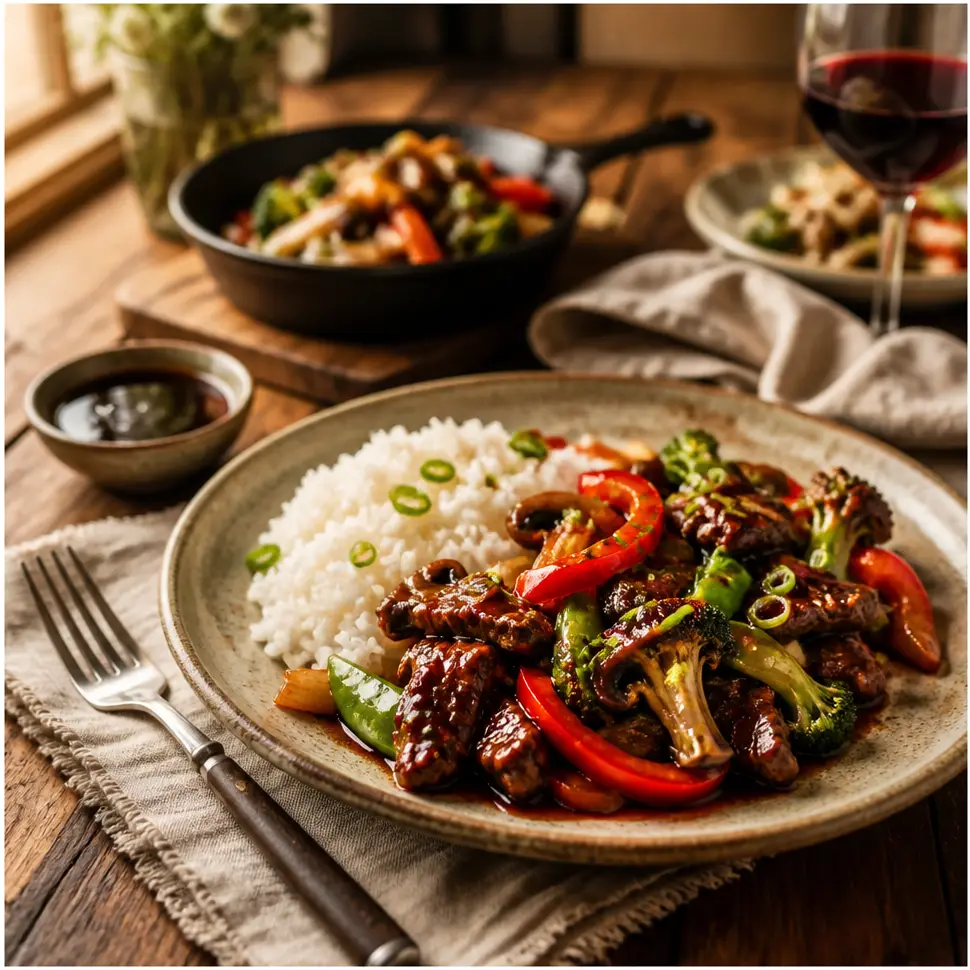
For a quick dinner, toss the sauce with chicken, bell peppers, broccoli, and snow peas, then serve everything over steamed rice. Add sliced scallions, toasted sesame seeds, or crushed peanuts for fresh color and crunch.
- Stir-fries: Use about 1/3 cup sauce for 4 cups of cooked protein and vegetables. Add it near the end and toss until every piece looks glossy.
- Marinades: Brush it over chicken thighs, pork tenderloin, tofu, or mushrooms before grilling or roasting. Reserve a separate portion for serving.
- Dips: Serve it with dumplings, spring rolls, lettuce wraps, cucumber slices, or crispy wontons. Thin it with warm water if it feels too heavy.
- Noodle bowls: Toss it with noodles, shredded cabbage, carrots, and edamame. A squeeze of lime keeps the bowl from tasting too rich.
These ideas also work well for meal prep because the sauce can turn plain rice and leftover vegetables into a completely different lunch. If you share your finished bowl or one of your favorite ways to use hoisin sauce, tag Pinterest for more Asian-inspired dinner ideas.
How to Store and Freeze This Homemade Sauce
Store cooled sauce in an airtight glass jar in the refrigerator for up to 7 days. Label the jar with the date, and use a clean spoon each time. The sauce may thicken overnight, so stir in 1 to 2 teaspoons of water before serving.
You can freeze the sauce for up to 2 months in small freezer-safe containers or ice cube trays. Thaw it overnight in the refrigerator, then reheat it gently in a saucepan or microwave, stirring every 15 to 20 seconds. Don’t boil it, because high heat can make the texture overly thick and dull the sesame flavor.
For food-safety guidance on cooling, storing, and reheating leftovers, use the recommendations from the USDA Food Safety and Inspection Service. Make the sauce a day ahead when you’re hosting, then loosen it just before serving.
This sauce takes 10 minutes to prep, 5 minutes to cook, yields about 1 cup, and is an easy recipe for beginner cooks.
Print
Hoisin Sauce Uses for Stir-Fries, Marinades, and Dips
- Total Time: 15 minutes
- Yield: 4 to 6 servings 1x
Description
A versatile homemade hoisin sauce for stir-fries, marinades, glazes, noodles, and dipping.
Ingredients
- 3/4 cup hoisin sauce
- 1/4 cup water
- 2 garlic cloves, finely minced
- 1 teaspoon grated fresh ginger
- 2 tablespoons rice vinegar
- 1 tablespoon low-sodium soy sauce
- 1 teaspoon toasted sesame oil
- 1 teaspoon honey or brown sugar
- 1/2 teaspoon crushed red pepper flakes
- 1 teaspoon cornstarch mixed with 1 tablespoon cold water
Instructions
- Whisk hoisin sauce, water, garlic, ginger, vinegar, soy sauce, sweetener, and red pepper flakes in a saucepan.
- Warm over medium-low heat for 3 to 4 minutes, stirring frequently.
- Whisk the cornstarch slurry, then add it while whisking constantly.
- Simmer for 1 to 2 minutes until glossy and lightly thickened.
- Remove from heat and stir in sesame oil.
- Cool for 1 minute, then adjust vinegar, water, chili, or honey to taste.
- Coat cooked proteins or vegetables; add sauce during the final 1 to 2 stir-fry minutes.
- Cool remaining sauce and transfer it to a clean jar.
Notes
Thin marinades with 2 tablespoons water or broth per 1/2 cup sauce.
Store refrigerated for up to 7 days.
Freeze in small portions for up to 2 months.
- Prep Time: 10 minutes
- Cook Time: 5 minutes
- Cuisine: Asian
Frequently Asked Questions
You can substitute a mixture of barbecue sauce, soy sauce, rice vinegar, and a little sesame oil. The flavor will be less fermented, but it will still work well in stir-fries and dipping sauces.
How do you make hoisin sauce gluten-free?Use certified gluten-free hoisin sauce and tamari instead of regular soy sauce. Check the labels on every ingredient because wheat can appear in bottled sauces.
Can you freeze homemade hoisin sauce?Yes, you can freeze homemade hoisin sauce for up to 2 months. Freeze it in small portions, thaw it in the refrigerator, and stir it well after gentle reheating.
Is hoisin sauce vegan and dairy-free?Hoisin sauce is often dairy-free, but not every brand is vegan. Check the label for seafood or animal-derived ingredients, and use brown sugar instead of honey for a vegan version.
Why is my hoisin sauce too thick?Your sauce is likely too thick because it reduced too long or the cornstarch amount was high. Whisk in warm water one teaspoon at a time until it becomes smooth and pourable.
How far ahead can I make hoisin sauce?You can make this sauce up to 7 days ahead and keep it refrigerated in an airtight jar. Making it one day early often improves the garlic and ginger flavor.
How do you reheat hoisin sauce without breaking it?Reheat hoisin sauce over low heat or in short microwave intervals while stirring frequently. Add a small splash of water before reheating if the sauce has thickened in the refrigerator.
Does hoisin sauce burn in a stir-fry?Yes, hoisin sauce can burn because it contains sugar. Add it during the final 1 to 2 minutes of cooking, keep the heat moderate, and toss constantly.
Make These Hoisin Sauce Uses Part of Your Weekly Cooking
Hoisin sauce earns its place in my refrigerator because one small batch can change several meals. Use it as a glaze, marinade, stir-fry sauce, or dip, then adjust the vinegar and chili until it tastes right to you.
Save this recipe for your next busy weeknight, and leave a rating or comment if you try a new combination. I’d love to hear whether you used it for hoisin chicken stir-fry, crispy tofu, noodles, or a platter of sweet savory dipping sauces. Share it on Pinterest so you’ll have these easy hoisin sauce marinade ideas ready when dinner needs a little help.