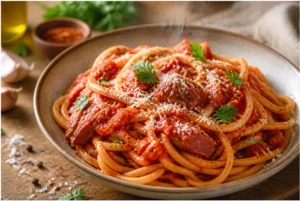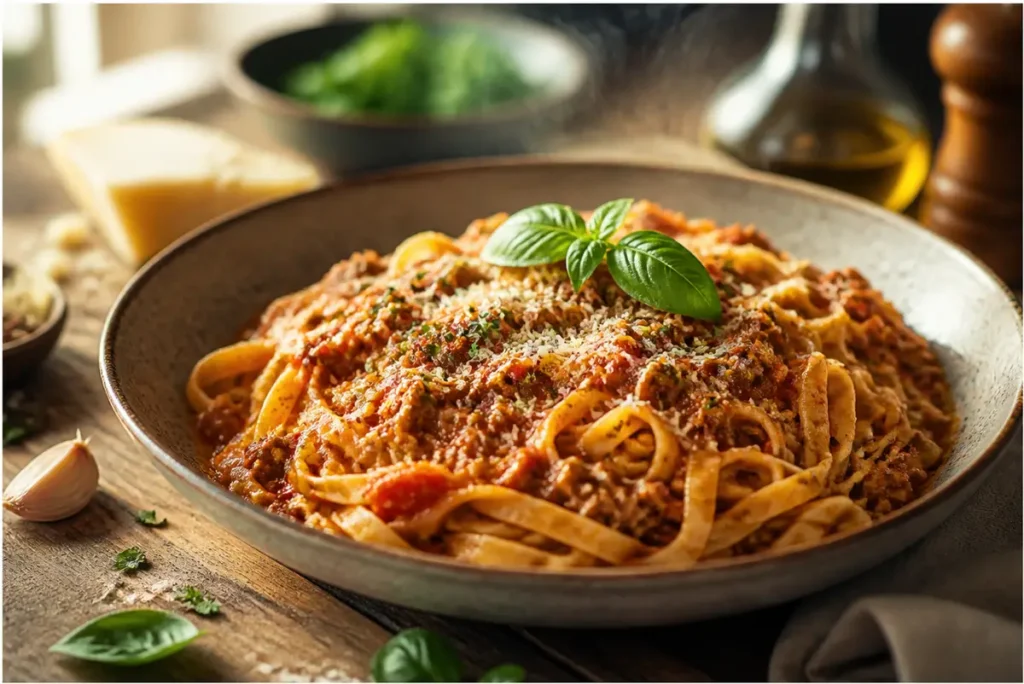
A good Bolognese sauce should make your kitchen smell like dinner is already worth celebrating. This Bolognese Sauce Recipe for Classic Pasta Dinners starts with browned meat, tender vegetables, tomatoes, and enough time for every layer to become rich and savory. It tastes homemade because it is homemade, with no jarred shortcuts hiding behind extra sugar or flat seasoning.
I love this sauce for busy evenings because it feels special without demanding complicated technique. You can serve it with spaghetti tonight, spoon it over baked pasta tomorrow, or freeze a batch for the kind of night when takeout seems inevitable. One pot, a little patience, and you’ve got a classic pasta dinner recipe that feeds hungry people beautifully.
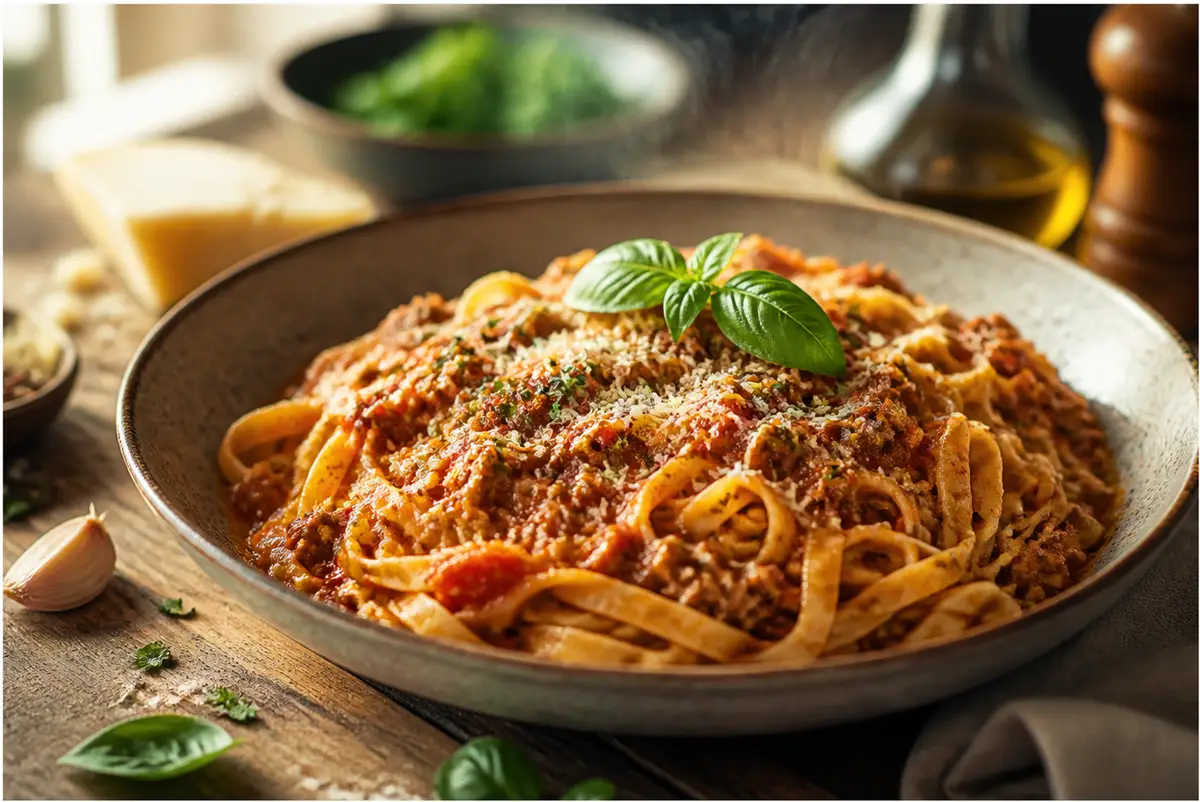
Table of Contents
- Why This Bolognese Sauce Recipe Earns a Place in Your Regular Dinner Rotation
- What Gives This Homemade Italian Meat Sauce Its Deep Flavor?
- Ingredients You’ll Need for a Classic Bolognese Sauce Recipe
- Making Bolognese Sauce Recipe for Classic Pasta Dinners From Scratch
- Small Sauce Details That Make a Big Flavor Difference
- Easy Variations and Substitutions for Every Table
- How to Serve Bolognese Sauce Recipe for Classic Pasta Dinners
- How to Store and Freeze This Pasta Sauce
- Frequently Asked Questions
Why This Bolognese Sauce Recipe Earns a Place in Your Regular Dinner Rotation
- Simple pantry ingredients: Ground beef, canned tomatoes, vegetables, and everyday seasonings create deep flavor.
- Make-ahead friendly: The sauce tastes even better after resting overnight, and it freezes well.
- Beginner-friendly: You don’t need fancy equipment, just a heavy pot and a little attention during browning.
- Restaurant-style flavor at home: Slow simmering and a splash of milk make the sauce rich, balanced, and tender.
What Gives This Homemade Italian Meat Sauce Its Deep Flavor?
The magic starts with a classic soffritto of onion, carrot, and celery. I cook those vegetables gently until soft, then brown the meat until it develops dark, savory edges. Tomato paste adds concentrated richness, while crushed tomatoes bring brightness and body.
A small amount of milk softens the tomato acidity and gives the finished sauce a smoother texture. I also use a splash of dry red wine for depth, though beef broth works well if you prefer not to cook with wine. Compared with many store-bought sauces, this version tastes less sweet and more layered. For a traditional reference, I like comparing the method with the Italian Academy of Cuisine: Traditional Bolognese Sauce.
Ingredients You’ll Need for a Classic Bolognese Sauce Recipe
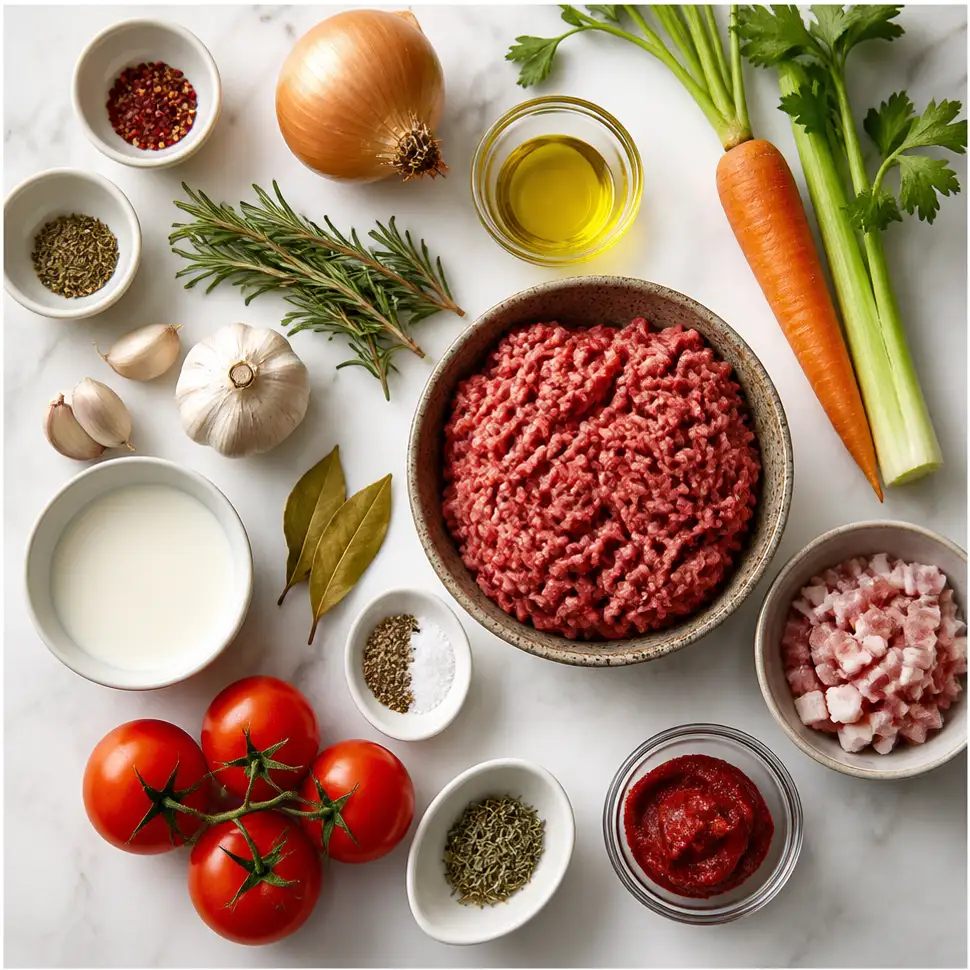
Gather everything before you start. The ingredient list is straightforward, but each part has a job, especially the vegetables and tomato paste.
- 2 tablespoons olive oil: Helps soften the vegetables and brown the meat. Use unsalted butter for a richer variation.
- 1 medium yellow onion, finely diced: Adds sweetness and savory depth.
- 1 medium carrot, finely diced: Balances acidity with gentle natural sweetness.
- 1 celery rib, finely diced: Brings a subtle earthy flavor.
- 3 garlic cloves, minced: Adds warmth without overpowering the sauce.
- 1 pound ground beef: Choose 80 to 90 percent lean for flavor and moisture. Ground pork can replace half the beef.
- 2 tablespoons tomato paste: Intensifies tomato flavor and helps build a richer color.
- 1/2 cup dry red wine: Adds complexity and loosens browned bits. Substitute beef broth if desired.
- 1 can, 28 ounces, crushed tomatoes: Forms the saucy base. Whole peeled tomatoes, crushed by hand, also work.
- 1/2 cup whole milk: Rounds out acidity and creates a velvety texture. Use unsweetened oat milk for a dairy-free option.
- 1 teaspoon kosher salt, plus more to taste: Seasons each layer.
- 1/2 teaspoon black pepper: Adds gentle heat.
- 1/2 teaspoon dried oregano: Provides a light herbal note.
- 1 bay leaf: Adds subtle background flavor. Remove it before serving.
- 1/4 teaspoon red pepper flakes, optional: Gives the sauce a mild, pleasant kick.
- 1/2 cup water or low-sodium beef broth, as needed: Keeps the sauce from becoming too thick during simmering.
For the pasta, use 12 ounces of spaghetti, tagliatelle, rigatoni, or another sturdy shape. Reserve at least 1 cup of pasta water before draining because its starch helps the sauce cling to every strand.
Making Bolognese Sauce Recipe for Classic Pasta Dinners From Scratch
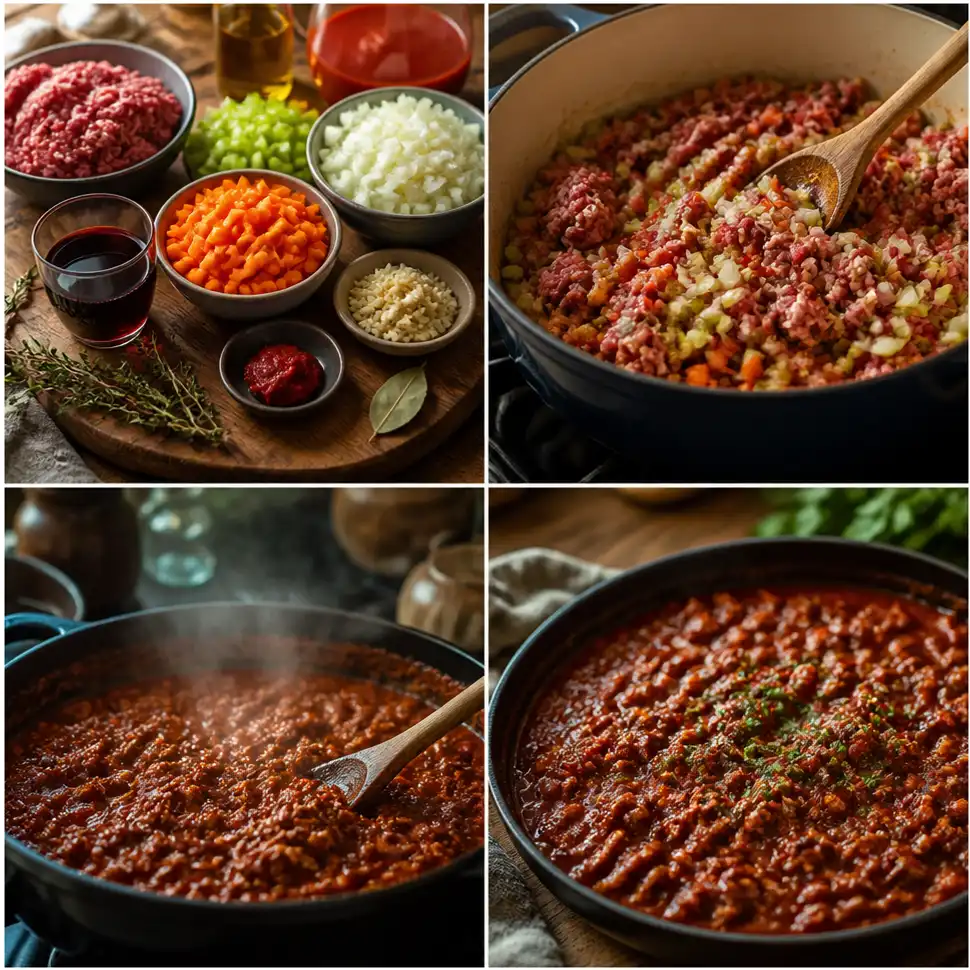
- Sauté the onion, carrot, and celery in olive oil over medium heat for 6 to 8 minutes. Stir often until the vegetables look glossy and soft, not browned. Add the garlic and cook for 30 seconds, just until fragrant.
- Brown the ground beef in the same pot. Break it into small pieces with a wooden spoon, then let it cook undisturbed for a minute or two between stirs. The meat should lose its raw pink color and develop browned edges. If your pot looks crowded, brown the beef in two batches.
- Stir in the tomato paste, salt, pepper, oregano, and red pepper flakes. Cook for 2 minutes, stirring constantly, until the paste darkens slightly and smells sweet and savory. This short step prevents the sauce from tasting thin.
- Deglaze the pot with red wine. Scrape the bottom to release the browned bits, then simmer for 2 to 3 minutes until the wine reduces by about half. The mixture should look moist but not soupy.
- Add the crushed tomatoes, milk, bay leaf, and 1/2 cup water or broth. Stir well, then bring the sauce to a gentle simmer. Avoid a hard boil because aggressive bubbling can make the meat tough and splatter your stovetop.
- Simmer the sauce uncovered for 45 minutes, stirring every 10 minutes. Add a splash of water or broth if it becomes dry before the vegetables and meat are tender. The finished sauce should be thick enough to coat a spoon while still looking loose enough to toss with pasta.
- Boil the pasta in well-salted water according to the package directions. Cook it until just shy of al dente because it will finish in the sauce. Reserve 1 cup of pasta water, then drain.
- Remove the bay leaf and taste the sauce. Adjust salt, pepper, or red pepper flakes. If the tomatoes taste sharp, simmer for another 5 minutes or add a small splash of milk rather than reaching for sugar.
- Toss the drained pasta with about 3 cups of sauce over low heat. Add reserved pasta water a tablespoon at a time until the sauce looks glossy and clings to the noodles. The pasta should look coated, never buried under a puddle.
- Finish with grated Parmesan, chopped parsley, or a drizzle of olive oil. Let the pasta rest for 1 minute before serving so the sauce settles into the noodles.
Small Sauce Details That Make a Big Flavor Difference
- Don’t rush the browning. Pale meat produces a flatter sauce. Give the beef space and let it develop browned edges before stirring constantly.
- Keep the simmer gentle. A few lazy bubbles are perfect. If the sauce boils rapidly, lower the heat and add a splash of broth.
- Fix thickness at the end. Thin sauce needs more uncovered simmering. Thick sauce needs pasta water, broth, or milk added one tablespoon at a time.
- Season in layers. Salt the vegetables lightly, season the meat, then taste after the tomatoes reduce. This keeps the finished sauce balanced instead of suddenly salty.
- Use a sturdy pasta shape. Tagliatelle, rigatoni, and spaghetti all work, but ridged shapes hold especially well to the meat and tomato sauce.
- Make it richer overnight. Cool the sauce promptly, refrigerate it, and reheat it the next day. The flavors become rounder and more integrated.
Easy Variations and Substitutions for Every Table
- Half-beef, half-pork: Replace half the ground beef with ground pork for a softer texture and richer flavor.
- Dairy-free: Use unsweetened oat milk or additional broth instead of whole milk, and finish with dairy-free Parmesan if desired.
- Gluten-free: Pair the sauce with certified gluten-free pasta. The sauce itself contains no wheat ingredients, but check packaged broth and tomato products.
- Spicy: Increase the red pepper flakes to 1/2 teaspoon, or add a finely chopped Calabrian chile.
- Vegetable-forward: Add 8 ounces of finely chopped mushrooms with the vegetables. They provide savory flavor and stretch the meat.
- Quick weeknight version: Use finely grated vegetables and simmer for 25 to 30 minutes. The smaller pieces soften faster while still adding depth.
If you want a meatless pasta night, serve the same noodles with Cacio e pepe sauce instead. Its peppery cheese flavor makes a lovely contrast to this slow-simmered meat sauce.
How to Serve Bolognese Sauce Recipe for Classic Pasta Dinners
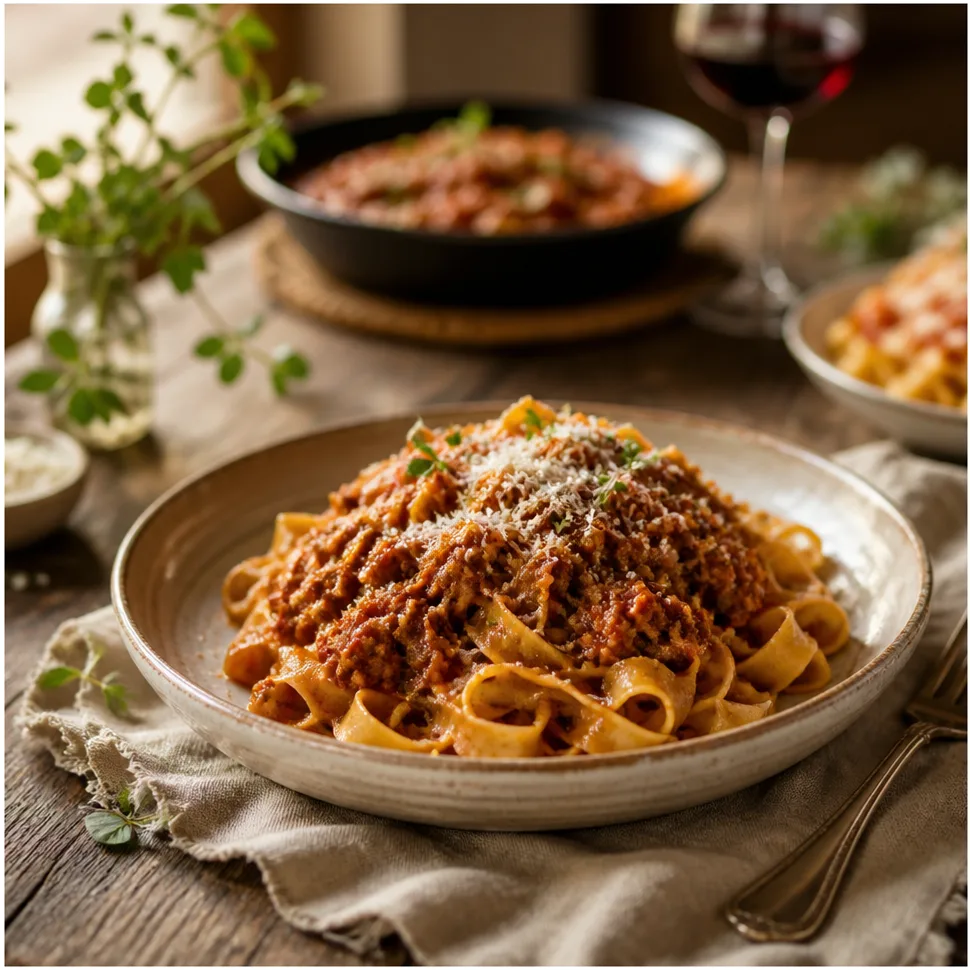
Toss the sauce with spaghetti or tagliatelle instead of simply spooning it on top. That final minute in the pan helps the sauce cling, and a little pasta water gives the dish a silky finish.
- Top each bowl with freshly grated Parmesan, cracked black pepper, and chopped parsley.
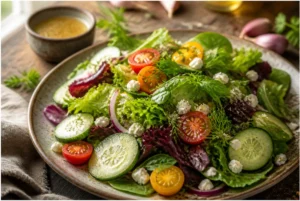
- Serve with warm garlic bread and a crisp green salad for an easy family-friendly pasta dinner.
- Layer the sauce into lasagna or baked ziti for a cozy weekend meal.
- Spoon leftovers over polenta, roasted vegetables, or toasted bread for a second dinner.
For another creamy option when you’re planning easy pasta dinner recipes, my easy Alfredo sauce offers a completely different texture and flavor profile.
How to Store and Freeze This Pasta Sauce
Refrigerate cooled sauce in a shallow airtight container for up to 4 days. Divide large batches into smaller containers so they cool faster, then reheat only the portion you plan to eat.
Freeze the sauce for up to 3 months in freezer-safe containers or zip-top bags. Leave a little room for expansion, label the date, and thaw it overnight in the refrigerator. Reheat it in a saucepan over medium-low heat, stirring occasionally, and add water or broth if it has tightened.
For safe handling, reheat leftovers until steaming hot throughout, and use a food thermometer when you want a precise check. The USDA recommends reheating leftovers to 165°F, a useful standard to follow when serving a make-ahead meal.
This sauce takes 20 minutes to prep, 45 minutes to simmer, yields about 5 cups or 6 servings, and is manageable for beginner cooks.
Frequently Asked Questions
You can replace ground beef with ground pork, ground turkey, Italian sausage, or a combination of meats. Ground pork adds richness, while turkey creates a lighter sauce and benefits from an extra tablespoon of olive oil.
How do I make Bolognese sauce gluten-free?Use certified gluten-free pasta and verify that your broth and other packaged ingredients contain no wheat. The sauce itself is naturally gluten-free when prepared with gluten-free stock and served without regular pasta.
Can I make Bolognese sauce dairy-free?Yes, replace the whole milk with unsweetened oat milk or extra broth. Skip Parmesan or use a dairy-free alternative, and taste carefully because the sauce may need a little more salt.
Why is my Bolognese sauce too thin?Simmer the sauce uncovered over low heat for 10 to 15 additional minutes to reduce excess liquid. Stir regularly and stop when it coats a spoon without looking dry.
Can I freeze homemade Bolognese sauce?Yes, freeze cooled sauce in airtight containers for up to 3 months. Thaw it overnight in the refrigerator, then reheat gently with a splash of water or broth.
How do I reheat Bolognese sauce without drying it out?Reheat the sauce in a covered saucepan over medium-low heat with one or two tablespoons of water or broth. Stir every few minutes and remove the lid near the end if the sauce needs slight thickening.
When should I add milk to Bolognese sauce?Add milk after the tomatoes and initial simmer begin, as directed in this recipe. It softens tomato acidity and gives the sauce a smoother, rounder texture without making it taste like a cream sauce.
What pasta is best for Bolognese sauce?Tagliatelle, spaghetti, rigatoni, and pappardelle all pair well with Bolognese sauce. Wide ribbons catch the meat particularly well, while ridged tubes hold sauce inside and around their edges.
This Bolognese sauce is the kind of recipe that rewards you twice: first when the pot fills your kitchen with a savory aroma, and again when the leftovers rescue a busy evening. Brown the meat patiently, keep the simmer gentle, and taste before you serve.
If you make it, leave a comment or rate the recipe so I know how it turned out in your kitchen. Save this classic Bolognese sauce recipe for your next comfort food dinner, and share it on Pinterest with anyone who loves traditional Italian pasta recipes.