When it comes to fueling your body for weight loss and muscle gain, creating a high-protein grocery list is essential. As a food lover who has navigated the intricate balance of nutrition and deliciousness, I’ve pinpointed some fantastic foods that not only fit the bill but also make meal preparation enjoyable. With this guide, you’ll discover the best high-protein options that can streamline your culinary journey toward your fitness goals.
Why You’ll Love This Dish
Crafting your high-protein grocery list isn’t just a routine task; it’s a key step toward a healthier lifestyle. High-protein foods offer numerous benefits, from helping you feel fuller for longer to supporting muscle repair and growth. It’s especially beneficial during those busy weeknights when cooking might not feel appealing, making it an excellent choice for anyone aiming for weight loss or muscle gain.
“I never knew grocery shopping could be this effective! Since I started focusing on high-protein foods, I feel stronger and more satisfied after meals!” — Jamie, fitness enthusiast.
The Cooking Process Explained
Building your high-protein grocery list requires a bit of strategy, especially if you’re new to this healthy habit. The process involves understanding what to look for, how to select quality ingredients, and integrating them into your meal planning. You’ll want to focus on proteins from various sources, ensuring you get the essential nutrients your body needs.
Step-by-Step Overview
- Brainstorm: Consider your personal preferences and dietary needs.
- Research: Look into high-protein foods that are also budget-friendly and easily available.
- Select: Choose a mix of animal and plant-based proteins.
- Plan: Think about meals and recipes that you can create with your selected items.
- Shop: Head to the grocery store or local market with your list in hand.
Key Ingredients
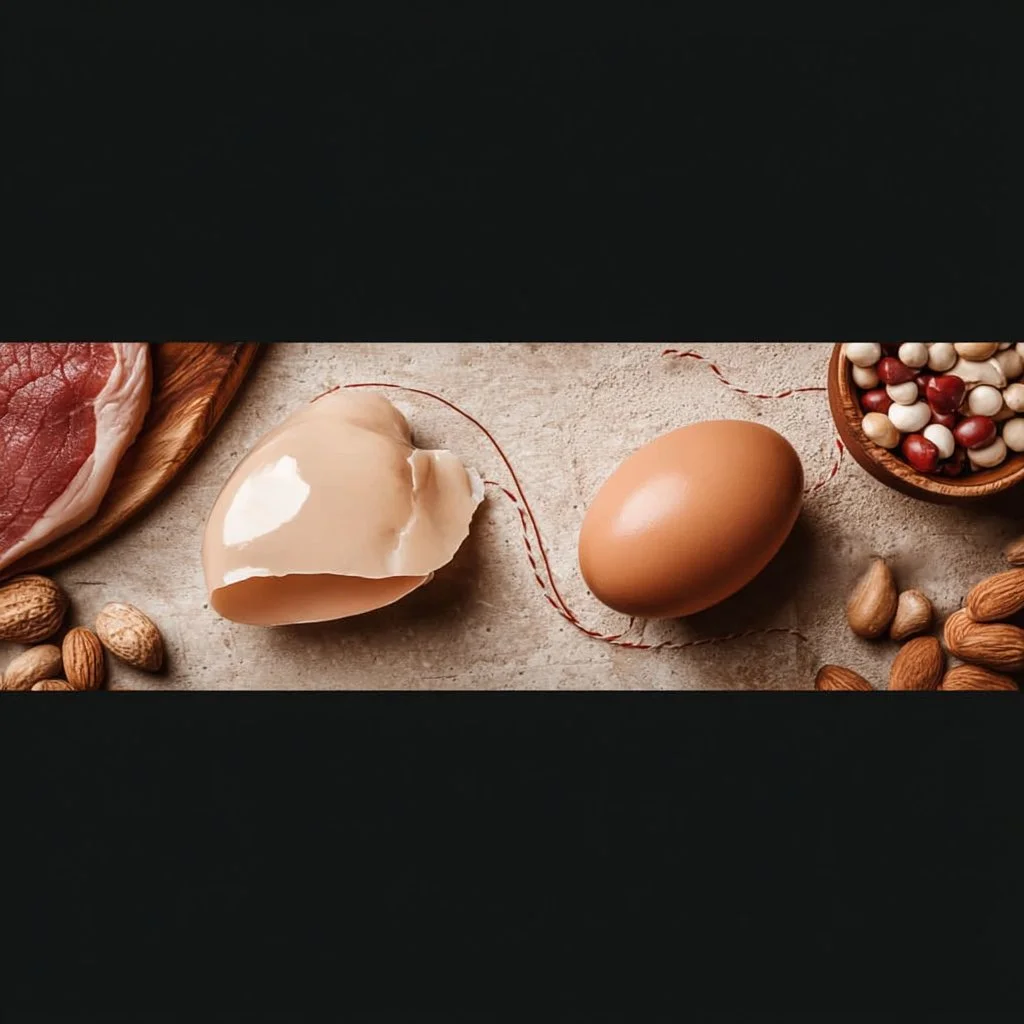
Here’s a consolidated list of vital high-protein foods you should include in your grocery shop:
- Lean Meats: Chicken breast, turkey, and lean cuts of beef.
- Fish: Salmon, tuna, and other fatty fish rich in omega-3s.
- Dairy: Greek yogurt, cottage cheese, and low-fat cheeses.
- Legumes: Lentils, chickpeas, and kidney beans.
- Nuts & Seeds: Almonds, chia seeds, and hemp seeds.
- Whole Grains: Quinoa, farro, and oats.
Note: You can substitute any of the above ingredients based on availability or dietary restrictions. For example, use tofu or tempeh as plant-based alternatives.
Step-by-Step Instructions
Creating your high-protein grocery list is straightforward:
- Begin with Proteins: Reserve a significant portion of your list for protein sources. Think about meals you’ll prepare.
- Add Vegetables: Fresh or frozen vegetables add nutrients and flavor.
- Include Grains: Whole grains will balance your meals.
- Don’t Forget Snacks: High-protein snacks are great for on-the-go fueling, so consider things like nuts and protein bars.
- Review: Double-check your list against recipes you plan to try.
Best Ways to Enjoy It
Now that you have your high-protein grocery list, it’s time to explore how to enjoy these ingredients. You can create stir-fries using lean meats and a medley of vegetables, craft filling salads topped with chickpeas or quinoa, or prepare hearty breakfasts with Greek yogurt and fruits. Here are a few serving suggestions:
- Top your oatmeal with almond butter and chia seeds for a protein-packed breakfast.
- Use cooked lentils in a wrap with plenty of veggies and a drizzle of tahini.
Storage and Reheating Tips
Proper storage helps maintain the freshness of your high-protein foods. Here are some handy tips:
- Meats: Store in airtight containers or tightly wrapped; consume within a few days or freeze for longer life.
- Dairy: Keep dairy products in their original containers and use before the expiration date.
- Vegetables: Wrap greens in damp paper towels to maintain crispness, and store in the crisper drawer.
Helpful Cooking Tips
Here are some pro tips to maximize the effectiveness of your high-protein grocery list:
- Batch-Cook Protein: Preparing chicken or turkey in advance can save you time during the week.
- Mix it Up: Don’t be afraid to combine different protein types in a meal for variety.
- Experiment with Marinades: A flavorful marinade can enhance even the simplest of proteins.
Recipe Variations
There are countless ways to customize your high-protein grocery list to suit your tastes. Here are a few ideas:
- Plant-Based Option: Use tempeh or seitan instead of chicken for a delicious plant-based meal.
- International Flavors: Incorporate spices like cumin and paprika for a Middle Eastern flair in your dishes.
- Different Cooking Methods: Try grilling or air-frying proteins for a change of texture.
Common Questions
1. What are some examples of high-protein foods to include in my grocery list?
You can include lean meats like chicken and turkey, fish, Greek yogurt, legumes, and nuts. These foods not only provide protein but also essential nutrients.
2. How can I ensure my proteins last longer?
Store your meats in airtight containers in the fridge and freeze any you won’t use within a few days. For dairy products, make sure they’re sealed tightly.
3. Can I make adjustments for dietary restrictions?
Absolutely! Substitute animal proteins with plant-based options like tofu, legumes, or quinoa to suit dietary preferences.
4. How should I cook my proteins for the best results?
Opt for grilling, baking, or sautéing with minimal oil to keep them healthy. Also, marinating your proteins can introduce flavor without additional calories.
5. What if I can’t find fresh ingredients?
Frozen proteins and vegetables are excellent alternatives, retaining much of their nutrient value and can be just as delicious.
6. How do I incorporate more high-protein snacks into my diet?
Consider carrying around nuts, Greek yogurt cups, or protein bars for a quick and satisfying munch throughout the day.
7. How long do leftovers typically last?
Generally, leftovers should be consumed within 3-4 days if stored properly in the refrigerator. Freezing is also an option for longer storage.
8. Can I meal prep using high-protein ingredients?
Definitely! Meal prepping with high-protein ingredients can simplify your weekly cooking, allowing for quick and nutritious meals.
With these guidelines, crafting your high-protein grocery list will not only support your weight loss and muscle gain goals but also make your cooking enjoyable and stress-free. Here’s to healthier meals and a happier kitchen!
Print
High-Protein Grocery List Guide
- Total Time: 15 minutes
- Yield: 1 grocery list
- Diet: High-Protein
Description
A comprehensive guide to crafting a high-protein grocery list to support weight loss and muscle gain.
Ingredients
- Lean Meats: Chicken breast, turkey, lean cuts of beef
- Fish: Salmon, tuna, and fatty fish rich in omega-3s
- Dairy: Greek yogurt, cottage cheese, low-fat cheeses
- Legumes: Lentils, chickpeas, kidney beans
- Nuts & Seeds: Almonds, chia seeds, hemp seeds
- Whole Grains: Quinoa, farro, oats
Instructions
- Begin with Proteins: Reserve a significant portion of your list for protein sources.
- Add Vegetables: Fresh or frozen vegetables add nutrients and flavor.
- Include Grains: Whole grains will balance your meals.
- Don’t Forget Snacks: Consider high-protein snacks like nuts and protein bars.
- Review: Double-check your list against recipes you plan to try.
Notes
You can substitute any of the above ingredients based on availability or dietary restrictions.
- Prep Time: 15 minutes
- Cook Time: 0 minutes
- Category: Nutrition
- Method: Planning
- Cuisine: Healthy
Nutrition
- Serving Size: 1 list
- Calories: 50
- Sugar: 1g
- Sodium: 50mg
- Fat: 2g
- Saturated Fat: 0g
- Unsaturated Fat: 1g
- Trans Fat: 0g
- Carbohydrates: 7g
- Fiber: 1g
- Protein: 3g
- Cholesterol: 0mg