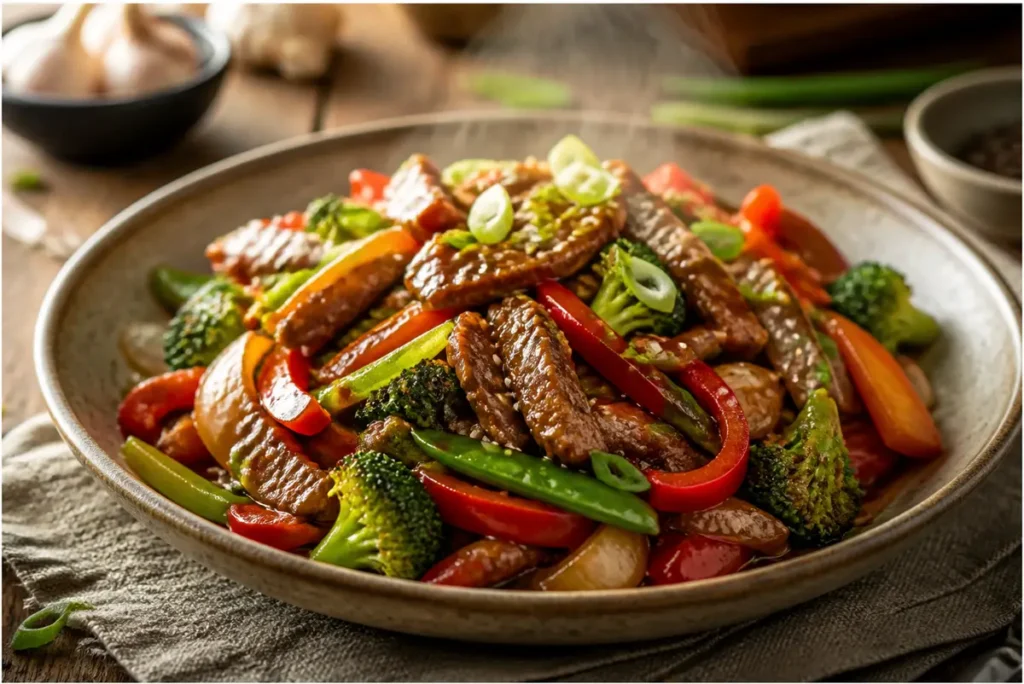
I’ve rescued more than one bland weeknight dinner with a good sauce, but this Stir Fry Sauce Recipe for Any Asian-Inspired Dinner is the one I reach for most often. It’s glossy, savory, lightly sweet, and ready in minutes with ingredients I usually already have in the pantry.
Unlike many bottled sauces, this homemade version doesn’t taste overly salty or syrupy. You can adjust the sweetness, spice, and thickness to match chicken, shrimp, tofu, or vegetables, then spoon the extra over rice or noodles. One small batch turns a basic skillet meal into a quick dinner sauce that tastes restaurant-style.
For a deeper look at the classic balance of savory, sweet, and aromatic flavors, I also like comparing techniques with this Serious Eats: Stir-Fry Sauce Recipe. My version stays especially practical for busy home cooks, with no specialty equipment and no long simmering.
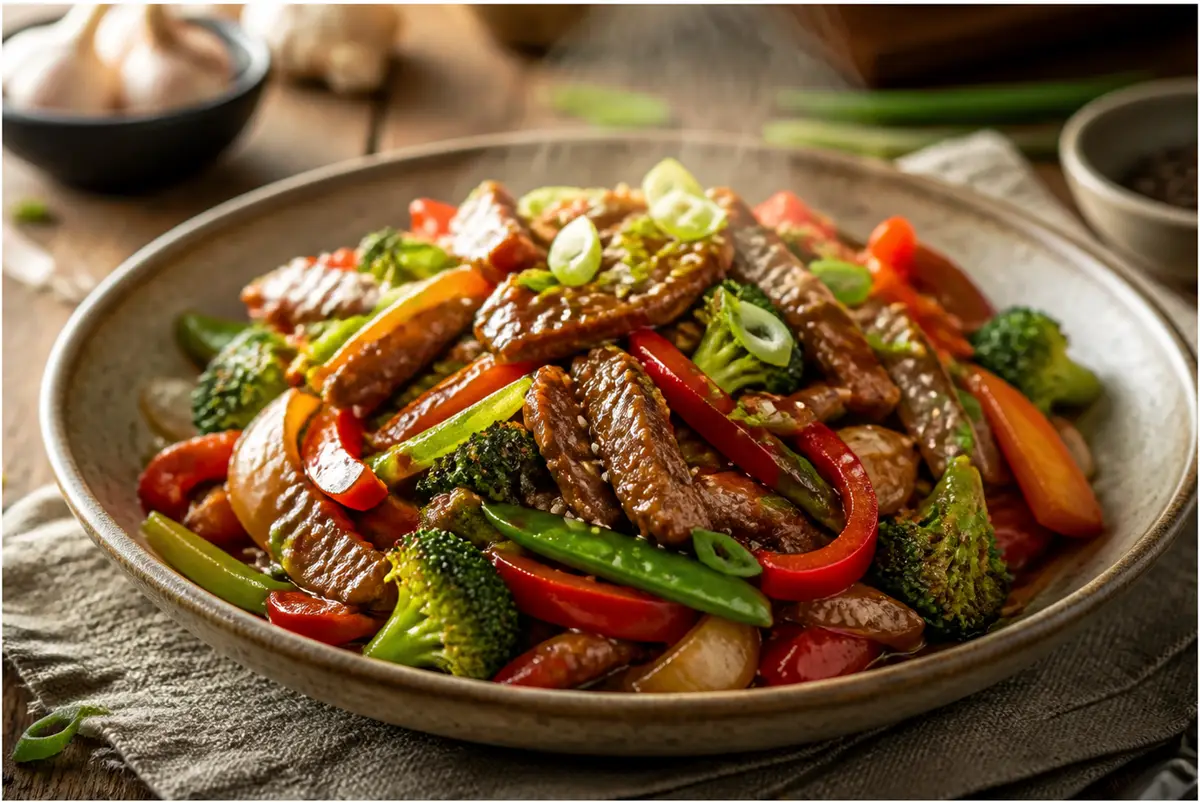
Table of Contents
- Why This Easy Stir Fry Sauce Deserves a Permanent Spot in Your Kitchen
- What Gives This Homemade Asian Stir Fry Sauce Its Big Flavor
- Ingredients You’ll Need for This Stir Fry Sauce Recipe for Any Asian-Inspired Dinner
- Making Stir Fry Sauce Recipe for Any Asian-Inspired Dinner From Scratch
- Small Details That Make a Big Flavor Difference
- Easy Variations and Smart Substitutions
- How to Serve Stir Fry Sauce Recipe for Any Asian-Inspired Dinner for Maximum Impact
- How to Store and Freeze This Sauce
- Frequently Asked Questions
Why This Easy Stir Fry Sauce Deserves a Permanent Spot in Your Kitchen
- Fast and beginner-friendly: Prep takes about 5 minutes, and the sauce cooks in roughly 5 to 7 minutes.
- Pantry-friendly: Soy sauce, broth, garlic, ginger, rice vinegar, and cornstarch create bold flavor without a long shopping list.
- Versatile: Use it for chicken stir-fry, vegetable stir-fry, shrimp, tofu, noodles, or rice bowls.
- Better than a jar: Homemade stir fry sauce tastes fresher and lets you control the salt, sweetness, and heat.
What Gives This Homemade Asian Stir Fry Sauce Its Big Flavor
The flavor comes from a simple balance. Soy sauce brings salt and savory depth, brown sugar adds a rounded sweetness, rice vinegar keeps the sauce bright, and sesame oil gives it that familiar toasted finish. Fresh garlic and ginger do most of the aromatic work, so the sauce tastes lively instead of flat.
The real trick is mixing the cornstarch with cold broth before it reaches the pan. That prevents lumps and gives the sauce a smooth, glossy texture as it simmers. Bottled sauces often rely on heavy sweetness and thickeners, while this sauce from scratch tastes cleaner and clings beautifully to every piece of food.
Ingredients You’ll Need for This Stir Fry Sauce Recipe for Any Asian-Inspired Dinner
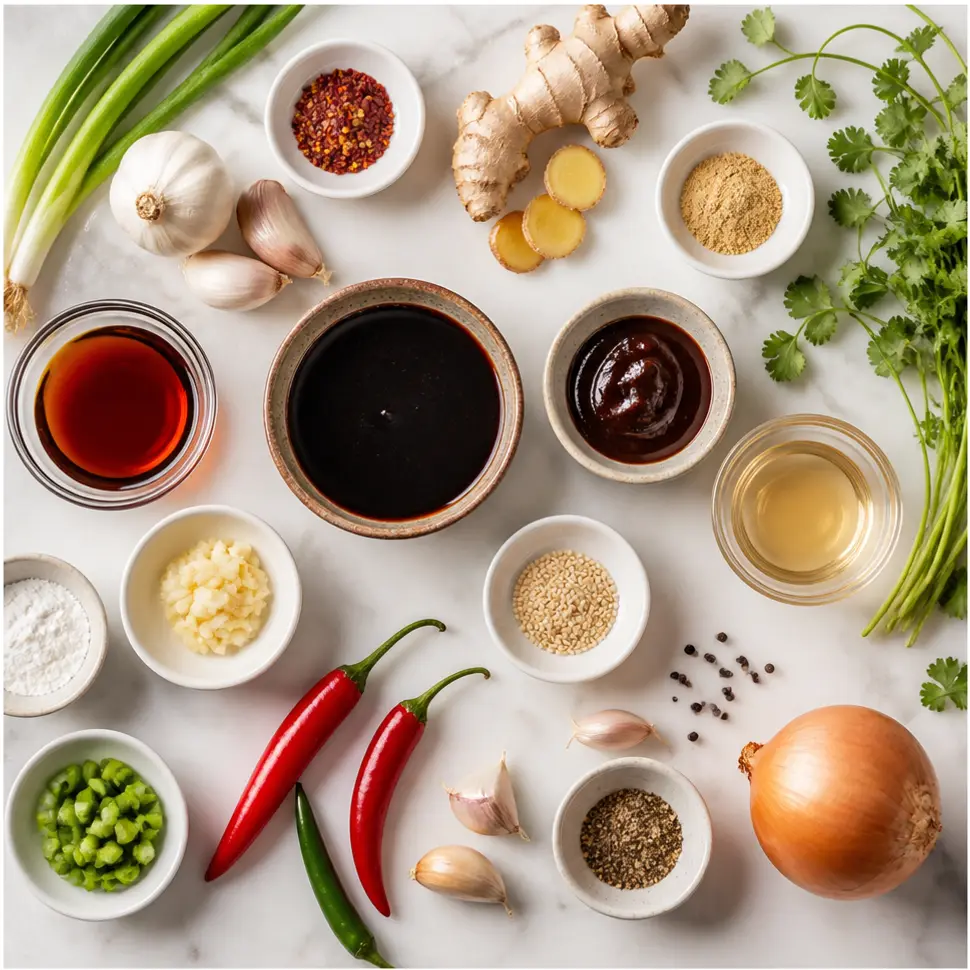
You’ll need 10 simple ingredients for about 1 cup of sauce, enough for 4 servings of stir-fried protein and vegetables. Measure the cornstarch carefully because even a little extra can make the finished sauce feel pasty.
- 1/2 cup low-sodium soy sauce: The savory base. Use tamari for a gluten-free sauce.
- 1/2 cup low-sodium chicken or vegetable broth: Loosens the sauce and adds body. Vegetable broth keeps it vegan.
- 2 tablespoons brown sugar: Adds gentle sweetness and helps the sauce caramelize slightly. Use honey or maple syrup if preferred.
- 1 tablespoon rice vinegar: Brightens the rich soy flavor. Apple cider vinegar works in a pinch, but use 2 teaspoons first and adjust.
- 1 tablespoon toasted sesame oil: Adds nutty aroma. For a milder finish, use 2 teaspoons.
- 2 garlic cloves, finely minced: Brings sharp, savory flavor.
- 1 teaspoon freshly grated ginger: Adds warmth and freshness. Use 1/2 teaspoon ground ginger if fresh isn’t available.
- 1 tablespoon cornstarch: Thickens the sauce so it coats vegetables and protein.
- 1/4 teaspoon crushed red pepper flakes: Adds mild heat. Leave it out for a family-friendly version.
- 2 sliced green onions: Add a fresh onion flavor and make a colorful garnish.
Making Stir Fry Sauce Recipe for Any Asian-Inspired Dinner From Scratch
- Whisk the cold broth and cornstarch in a small bowl until completely smooth. The mixture should look milky with no visible white pockets. Cold liquid matters here because cornstarch clumps quickly in warm broth.
- Combine the soy sauce, brown sugar, rice vinegar, sesame oil, garlic, ginger, and red pepper flakes in a small saucepan. Stir until the sugar begins to dissolve and the mixture smells sharply aromatic.
- Pour in the cornstarch mixture while whisking continuously. Keep the pan off the heat during this step so the starch blends evenly.
- Simmer the sauce over medium heat, whisking often. Within 3 to 5 minutes, it should become glossy and thick enough to coat the back of a spoon. Don’t let it boil aggressively, or the sauce can reduce too quickly and turn salty.
- Taste the sauce carefully once it thickens. Add 1 to 2 teaspoons of water if it tastes too concentrated, or add a small splash of rice vinegar if the sweetness feels heavy.
- Remove the saucepan from the heat when the sauce looks shiny and flows slowly from a spoon. It will thicken a little more as it cools.
- Toss the warm sauce with cooked vegetables, chicken, shrimp, tofu, or noodles. Add it near the end of stir-frying, then cook for 1 to 2 minutes so the sauce clings without scorching.
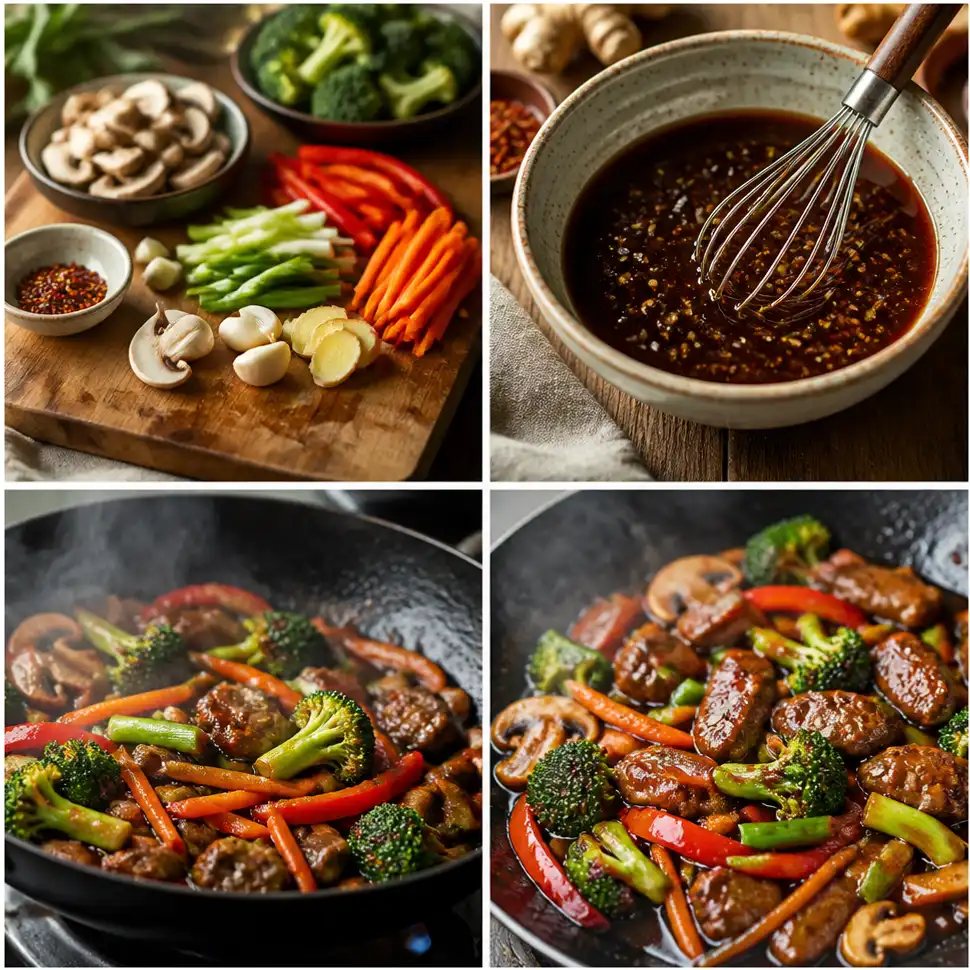
If you’re cooking protein first, transfer it to a clean plate before adding the sauce to the vegetables. This keeps the pan from becoming crowded and helps the sauce coat each ingredient instead of disappearing into excess moisture.
Small Details That Make a Big Flavor Difference
- Don’t skip the cold slurry: Always whisk cornstarch into cold broth or water before adding it to the pan. This is the easiest way to prevent a lumpy sauce.
- Watch the reduction: Soy sauce concentrates quickly. If the sauce becomes too thick, whisk in warm water 1 tablespoon at a time.
- Use low-sodium soy sauce: Regular soy sauce can work, but start with 6 tablespoons instead of 1/2 cup and adjust after tasting.
- Add aromatics early: Garlic and ginger need a few minutes of gentle cooking to soften their sharp edges, but avoid high heat that can burn them.
- Make it richer: Stir in 1 tablespoon of peanut butter for a creamy, nutty finish that works especially well with noodles and tofu.
- Keep the pan hot but not dry: Add the sauce after the vegetables are nearly tender. A hot pan helps it glaze the food quickly without turning watery.
Easy Variations and Smart Substitutions
- Gluten-free: Replace soy sauce with certified gluten-free tamari or coconut aminos. Check every packaged ingredient if you’re cooking for someone with celiac disease.
- Vegan: Use vegetable broth and confirm that your sugar is vegan if that matters for your household. The sauce contains no dairy.
- Extra spicy: Add 1 teaspoon of sriracha, 1/2 teaspoon of chili garlic sauce, or a few thinly sliced Thai chiles.
- Mild and kid-friendly: Omit the red pepper flakes and reduce the ginger slightly. You can add heat to individual bowls later.
- Peanut-style: Whisk in 1 to 2 tablespoons of smooth peanut butter after removing the sauce from the heat. Add warm water if it becomes too thick.
- Quick shortcut: Skip the saucepan and whisk everything in a jar, leaving out the cornstarch slurry until the final cooking stage. Add the sauce to the hot stir-fry, then simmer until thickened.
When I want a creamy, spicy side sauce instead of a skillet glaze, I make this bang bang sauce recipe. It’s excellent with crispy tofu, shrimp, or roasted vegetables alongside this all-purpose stir fry sauce.
How to Serve Stir Fry Sauce Recipe for Any Asian-Inspired Dinner for Maximum Impact
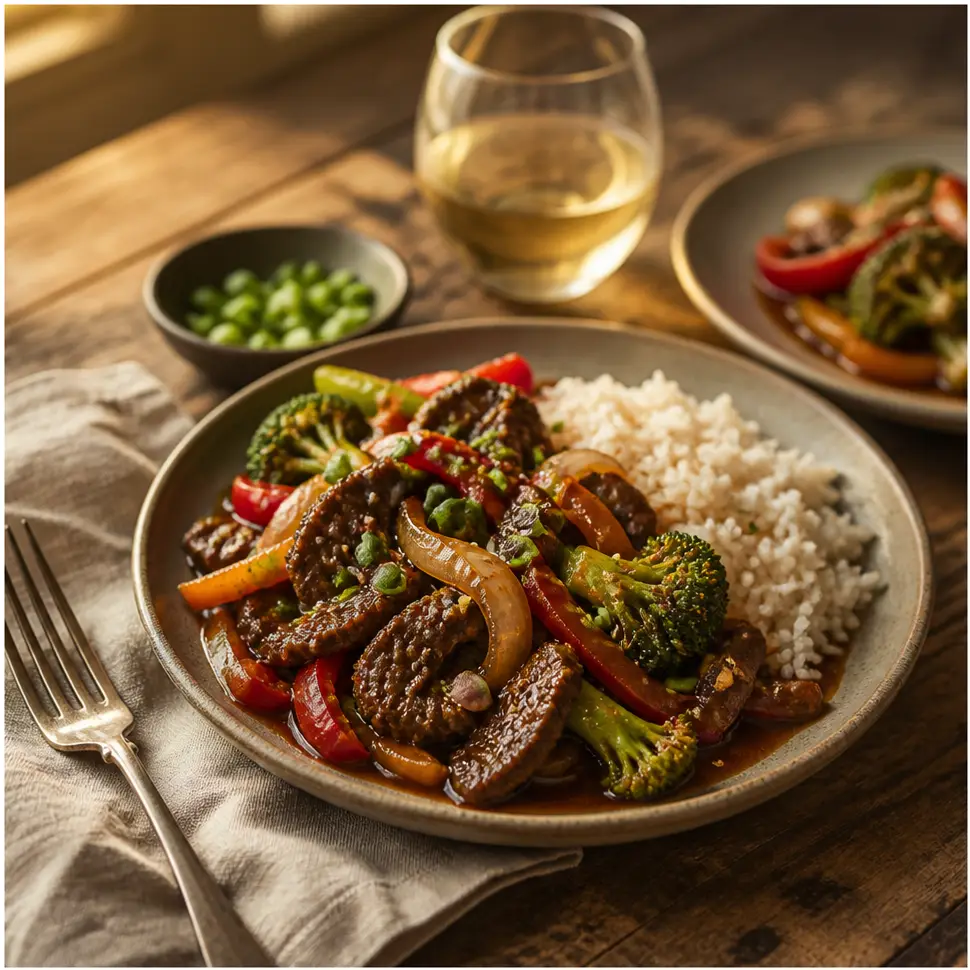
- Build a classic bowl: Spoon chicken stir-fry and steamed broccoli over jasmine rice, then finish with green onions and sesame seeds.
- Make it noodle-night ready: Toss the sauce with lo mein, rice noodles, or spaghetti and add shredded carrots, cabbage, and sliced bell peppers.
- Keep it plant-based: Coat crisp tofu, mushrooms, snap peas, and edamame with the sauce, then serve over brown rice or quinoa.
- Add a dipping option: Reserve a small portion before it touches raw protein and serve it with dumplings, spring rolls, or lettuce wraps.
For a tangier dipping sauce on the table, my chick fil a sauce recipe makes a fun contrast with the savory stir-fry glaze, especially for a casual family dinner with several small dishes.
How to Store and Freeze This Sauce
Refrigerate cooled sauce in a sealed glass jar or airtight container for up to 5 days. The sauce may thicken in the refrigerator, so whisk in 1 to 2 teaspoons of water before reheating.
You can freeze the sauce for up to 2 months in small freezer-safe containers or ice cube trays. Thaw it overnight in the refrigerator, then reheat it gently in a saucepan over low heat while whisking. If the texture looks slightly separated, add a splash of broth and whisk until smooth again.
For meal prep, make the sauce one or two days ahead and store it separately from cooked vegetables and protein. Reheat the stir-fry in a hot skillet, then add just enough sauce to coat everything. For safe handling, refrigerate cooked leftovers promptly and reheat them until steaming hot throughout.
This sauce takes 5 minutes to prep, 5 to 7 minutes to cook, yields about 1 cup, serves 4, and is easy enough for beginner cooks.
Frequently Asked Questions
Use tamari, coconut aminos, or liquid aminos instead of soy sauce. Tamari gives the closest savory flavor, while coconut aminos taste milder and sweeter.
How do I make this stir fry sauce gluten-free?Use certified gluten-free tamari and confirm that the broth and other packaged ingredients are gluten-free. Cornstarch, garlic, ginger, rice vinegar, and sesame oil are naturally gluten-free.
Can I make this stir fry sauce vegan?Yes, use vegetable broth and vegan-friendly brown sugar. The recipe contains no dairy, eggs, or other animal products when prepared with those ingredients.
Why is my stir fry sauce too thick?Whisk in warm water or broth 1 tablespoon at a time until the sauce reaches the texture you want. Cornstarch continues to firm the sauce as it cools, so remove it from the heat as soon as it lightly coats a spoon.
How long does homemade stir fry sauce last in the refrigerator?Homemade stir fry sauce lasts up to 5 days in an airtight container in the refrigerator. Cool it promptly, label the container, and stir it before reheating.
Can I freeze homemade stir fry sauce?Yes, you can freeze it for up to 2 months in small airtight containers or ice cube trays. Thaw it in the refrigerator and whisk it gently over low heat with a splash of broth if needed.
How do I reheat stir fry sauce without making it lumpy?Reheat the sauce slowly in a saucepan over low heat while whisking. Add a teaspoon or two of water or broth if it has thickened too much, and avoid rapid boiling.
When should I add stir fry sauce to the pan?Add the sauce when the vegetables and protein are nearly cooked, then toss for 1 to 2 minutes. This gives the sauce enough heat to glaze the food without burning the garlic, sugar, or soy sauce.
This easy stir fry sauce recipe has become one of my most useful kitchen staples because it works with almost anything. Keep a jar in the refrigerator, and a plain bowl of rice, vegetables, or noodles is never far from a satisfying dinner.
If you make this homemade stir fry sauce, leave a comment and rate the recipe so I can hear how you used it. Save it for your next weeknight meal, and share it on Pinterest with anyone who loves fast, flavorful Asian-inspired dinner ideas.