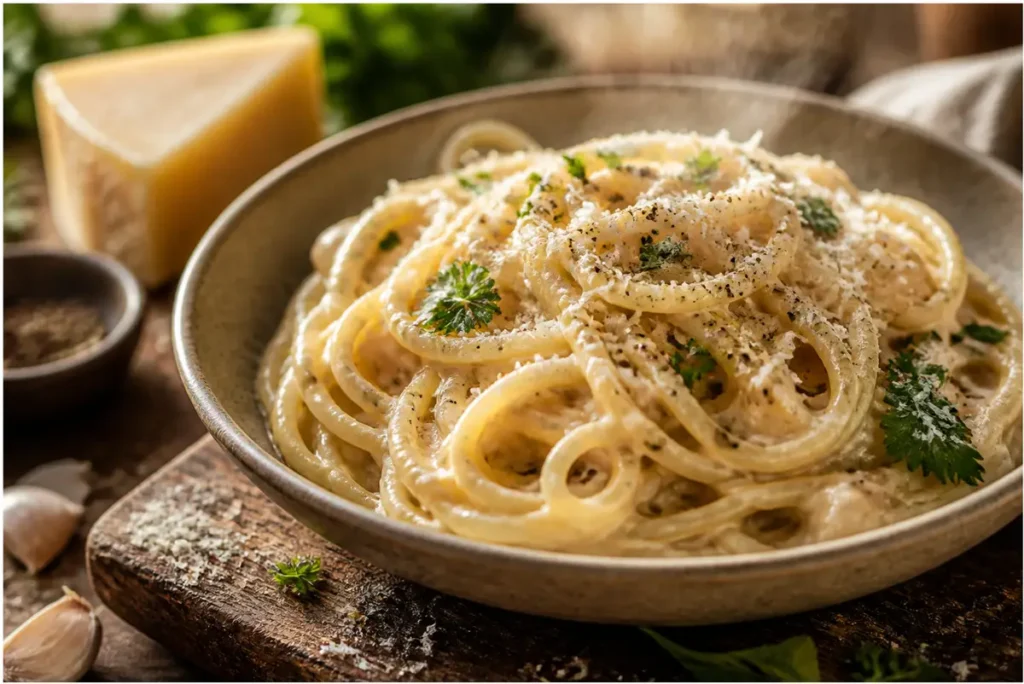
A bowl of pasta can feel a little sad until the right sauce pulls everything together. This Cacio e Pepe Sauce Recipe for Creamy Pasta at Home does exactly that with sharp Pecorino Romano, fragrant black pepper, and starchy pasta water. It tastes rich and restaurant-style, yet the ingredient list is wonderfully short.
I love this traditional Roman pasta recipe because it rewards attention, not complicated technique. The first time I made it, I turned the heat up too high and created a clumpy cheese situation that belonged in the trash. Once I learned to control the temperature and add the cheese gradually, the sauce became silky, peppery, and reliable.
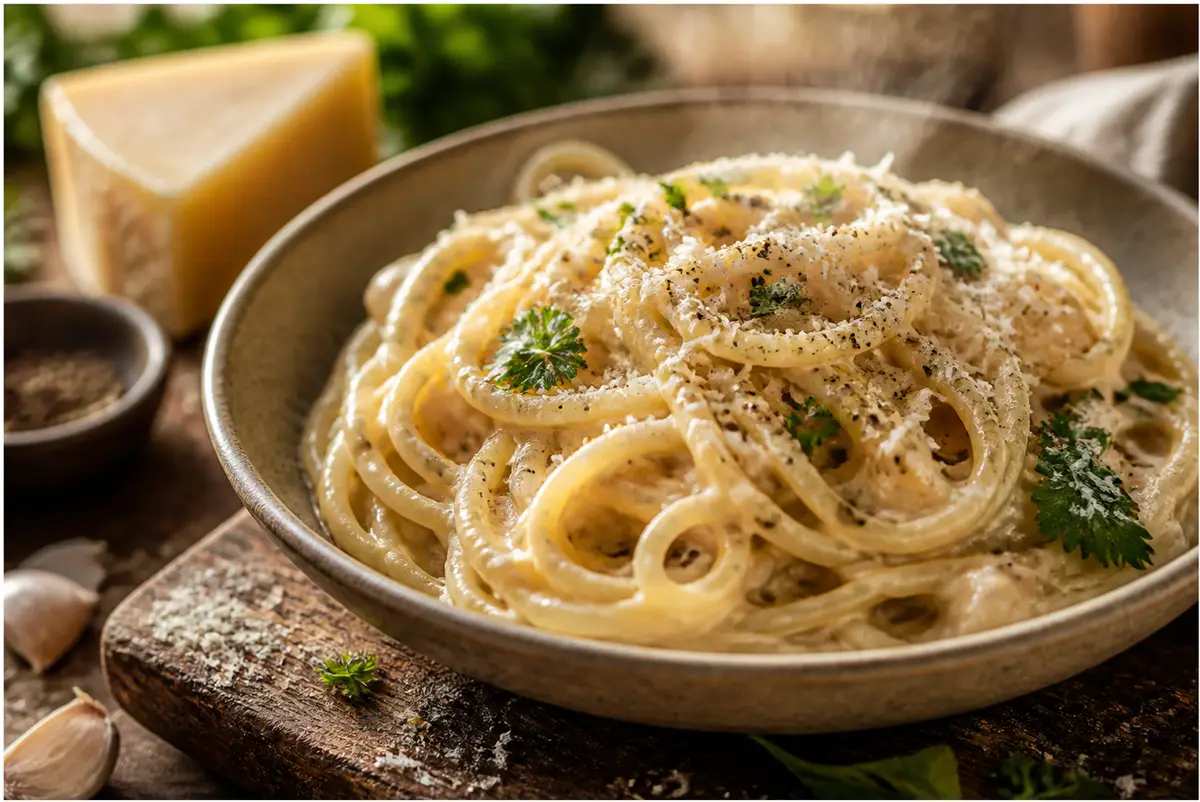
Table of Contents
- Why This Cacio e Pepe Sauce Recipe Deserves a Spot in Your Kitchen
- What Makes This Creamy Roman Sauce So Special
- Ingredients You’ll Need for a Silky Pecorino Sauce
- Making Cacio e Pepe Sauce Recipe for Creamy Pasta at Home
- Small Details That Make a Big Flavor Difference
- Variations and Smart Substitutions for Cacio e Pepe
- How to Serve Cacio e Pepe Sauce Recipe for Creamy Pasta at Home
- How to Store and Freeze This Pasta Sauce
- Frequently Asked Questions
- A Simple Roman Pasta Worth Repeating
Why This Cacio e Pepe Sauce Recipe Deserves a Spot in Your Kitchen
- It uses simple pantry-friendly ingredients and comes together in about 20 minutes.
- The creamy texture comes from cheese and pasta water, not heavy cream.
- It delivers bold, restaurant-quality flavor with beginner-friendly technique.
- You can turn it into an easy weeknight pasta dinner or use it as a base for creative variations.
What Makes This Creamy Roman Sauce So Special
Pecorino Romano brings a salty, tangy flavor that Parmesan alone can’t match, while freshly cracked black pepper adds warm spice and a lightly toasted aroma. The magic comes from combining finely grated cheese with starchy pasta water. That water helps the cheese emulsify into a smooth homemade cheese sauce for pasta instead of separating into oily clumps.
Unlike many jarred pasta sauces, this sauce has no cream, preservatives, or muted flavor. It tastes bright and savory, with enough personality to make a plain bowl of spaghetti feel special. For another comforting homemade option, keep this easy Alfredo sauce recipe nearby when you want a richer, cream-based pasta dinner.
Ingredients You’ll Need for a Silky Pecorino Sauce
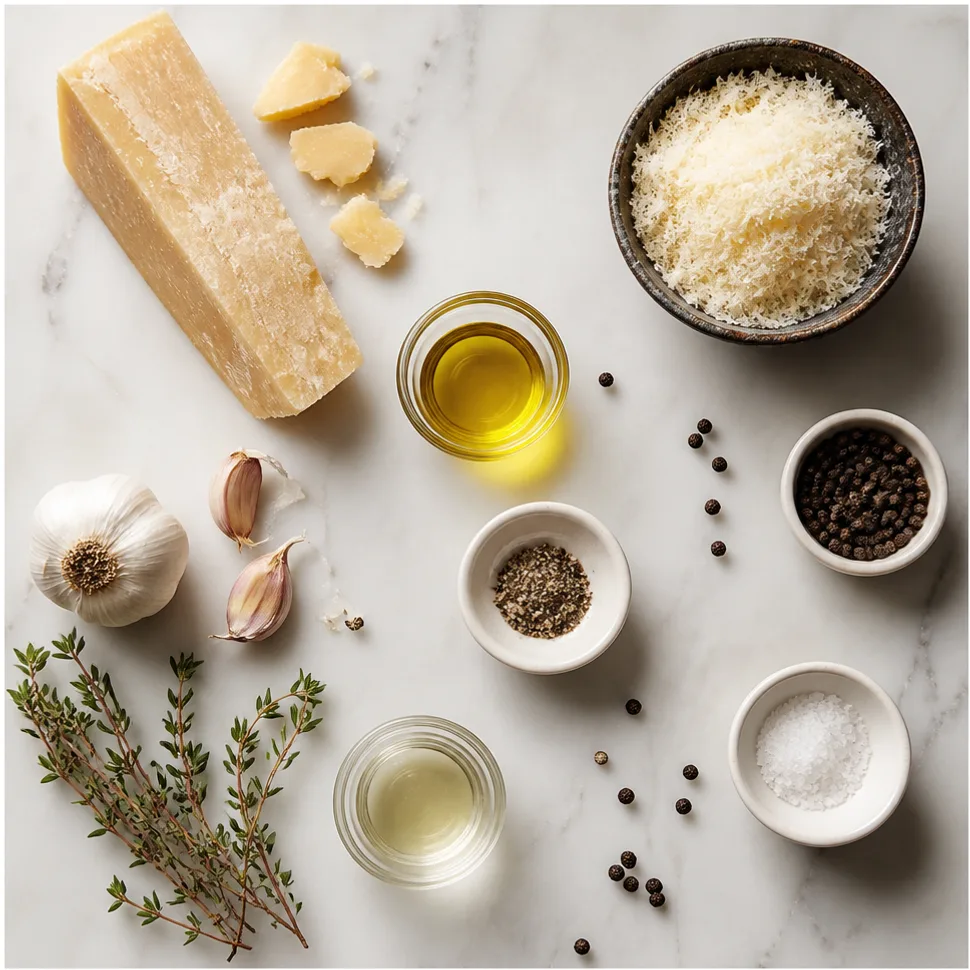
You only need a handful of ingredients, but each one matters. Grate the cheese yourself if possible, and save plenty of pasta water before draining.
- 12 ounces spaghetti or bucatini: Spaghetti works beautifully, while bucatini gives the sauce extra places to cling. Use gluten-free pasta if needed.
- 1 1/2 cups finely grated Pecorino Romano, about 4 ounces: This is the bold, salty backbone of the sauce. Parmesan can replace up to half of it for a milder flavor.
- 2 teaspoons whole black peppercorns: Freshly cracked pepper tastes more fragrant than pre-ground pepper. Use 1 teaspoon for a gentler sauce.
- 1 to 1 1/2 cups reserved pasta water: Its starch helps create the creamy emulsion. You may not need every drop.
- 1 tablespoon kosher salt, for the pasta water: Pecorino is salty, so season the water moderately rather than heavily.
- 1 tablespoon unsalted butter, optional: Butter adds gloss and a softer finish, although traditional versions can skip it.
Making Cacio e Pepe Sauce Recipe for Creamy Pasta at Home
- Boil a large pot of water and add the kosher salt. The water should taste pleasantly seasoned, not aggressively salty, because the Pecorino supplies plenty of salt.
- Crack the peppercorns coarsely with a mortar and pestle, a skillet, or the bottom of a sturdy mug. Coarse pieces give the sauce a more aromatic bite than fine pepper dust.
- Toast the pepper in a large dry skillet over medium-low heat for 1 to 2 minutes. Stir often until it smells warm and floral. Don’t let it smoke or turn bitter.
- Cook the pasta until it is about 1 minute short of al dente according to the package directions. Before draining, scoop out at least 1 1/2 cups of pasta water.
- Whisk the finely grated Pecorino with 3/4 cup warm pasta water in a bowl. Add the water gradually while whisking until the mixture looks like a thick, smooth cream. If the cheese seizes, the water was likely too hot, so add a tablespoon of cooler water and keep whisking.
- Pour 1/2 cup pasta water into the skillet with the toasted pepper. Swirl and scrape the pan to release the pepper’s flavor, then simmer gently for about 30 seconds.
- Transfer the drained pasta into the skillet. Toss vigorously over low heat so the noodles become coated and glossy. Add the optional butter now if you want a rounder, richer finish.
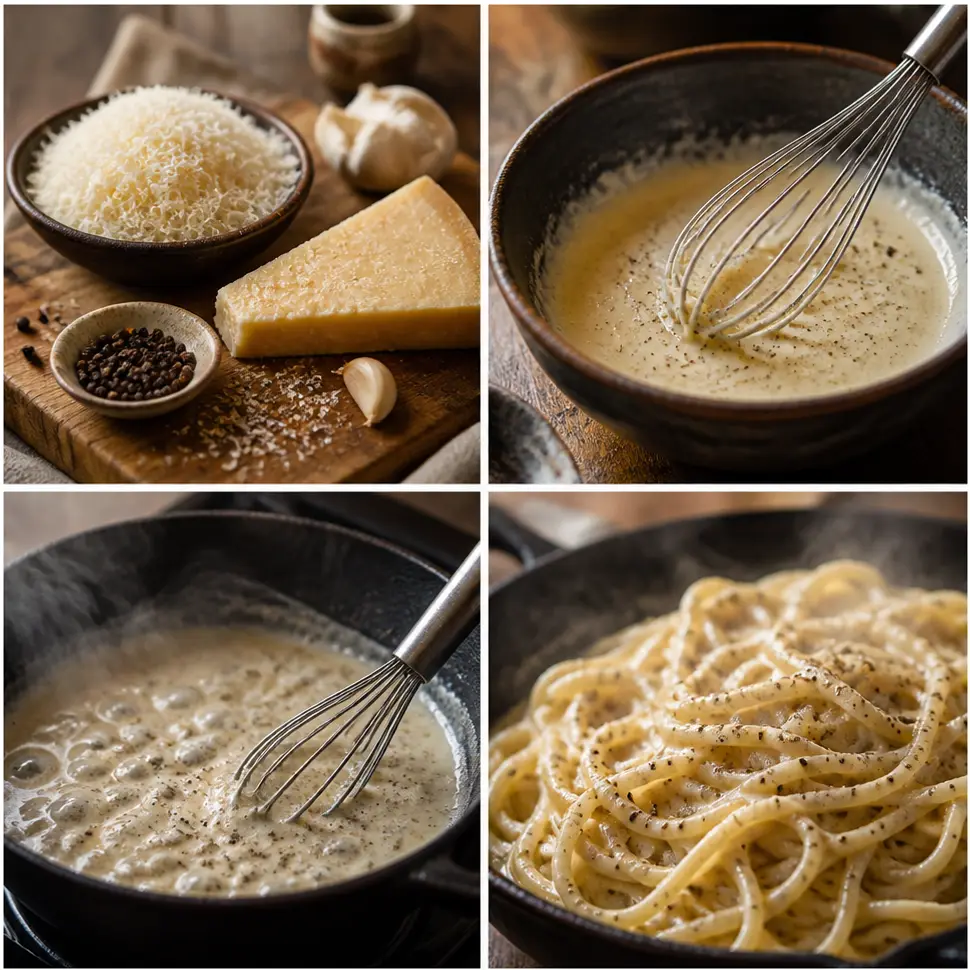
- Remove the skillet from the heat before adding the cheese mixture. This step matters because direct high heat can make Pecorino clump.
- Stir in the cheese mixture while tossing continuously. Add more pasta water, 1 tablespoon at a time, until the sauce flows around the noodles and looks silky rather than watery.
- Taste the pasta and adjust with more black pepper or Pecorino if needed. Serve immediately while the sauce is glossy and loose. It will thicken quickly as it cools.
For a helpful reference on the classic technique and ingredient balance, I also like this La Cucina Italiana: Cacio e Pepe Recipe. It reinforces the same lesson I learned through a few messy attempts: gentle heat and plenty of tossing make all the difference.
Small Details That Make a Big Flavor Difference
- Grate the cheese very finely. Powdery shreds melt more evenly than thick strips. A box grater’s smallest holes or a microplane works well.
- Keep the heat gentle. Turn off the burner before adding the cheese. If your skillet feels extremely hot, wait 30 seconds before tossing in the cheese mixture.
- Reserve more pasta water than you think you’ll need. The starch level varies, and extra water lets you correct a sauce that tightens too quickly.
- Fix a thick sauce with warm pasta water. Add a tablespoon at a time while tossing. Fix a thin sauce by tossing it longer off the heat, rather than adding more cheese immediately.
- Don’t oversalt before tasting. Pecorino Romano can vary in saltiness, so taste the finished pasta before adding any extra seasoning.
- Serve quickly. This sauce is at its best during the first few minutes, when it clings smoothly to every strand.
Variations and Smart Substitutions for Cacio e Pepe
- Milder cheese blend: Replace one-third to one-half of the Pecorino with finely grated Parmesan. You’ll get a gentler, nuttier creamy cacio e pepe sauce.
- Gluten-free version: Use gluten-free spaghetti or another pasta shape. The method stays the same, though gluten-free pasta water may create a slightly different texture.
- Vegetarian richness: Add a teaspoon of olive oil or the optional butter for a rounder sauce. Check that your cheeses fit your dietary preferences, since some traditional cheeses use animal rennet.
- Garlic and herb variation: Warm one smashed garlic clove with the pepper, then remove it before adding the pasta. Finish with chopped parsley for a fresh twist.
- Spicy version: Add a pinch of red pepper flakes while toasting the black pepper. The result has a pleasant heat without covering the Pecorino’s flavor.
- Sun-dried tomato upgrade: Stir in a spoonful of finely chopped oil-packed tomatoes for tangy sweetness. For a fuller variation, try this sun-dried tomato cream sauce.
How to Serve Cacio e Pepe Sauce Recipe for Creamy Pasta at Home
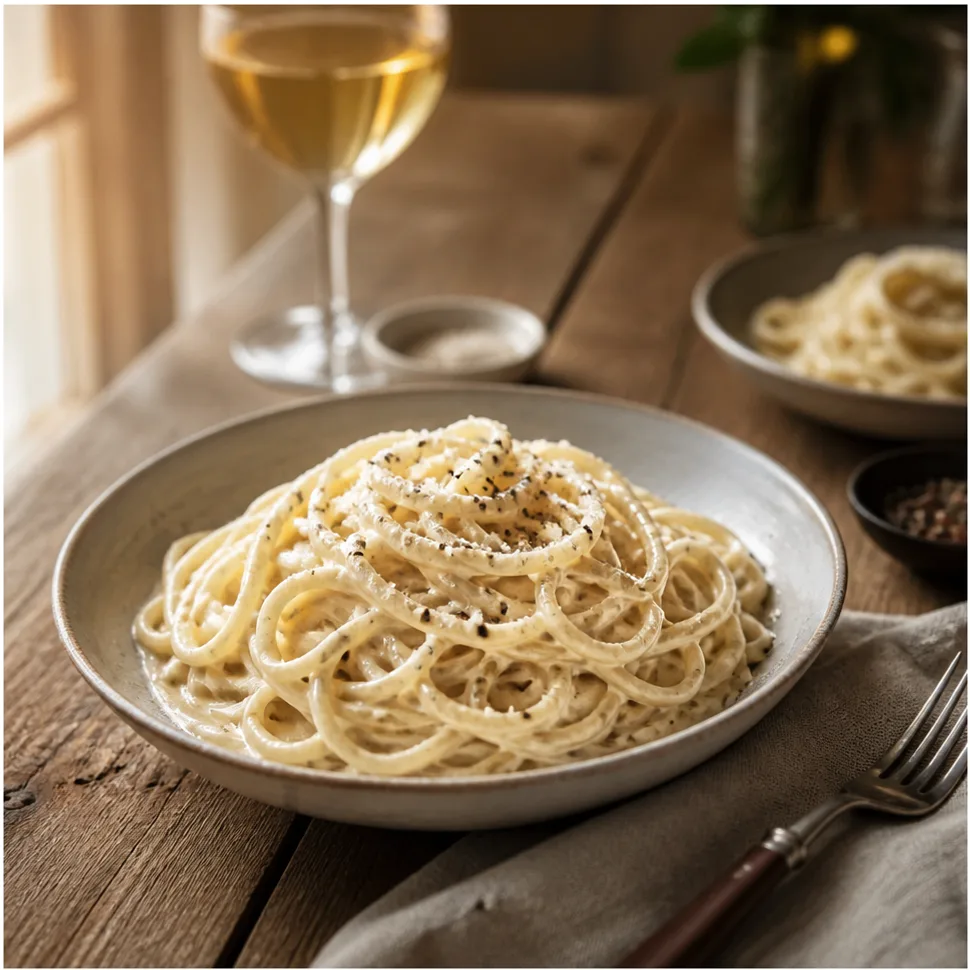
Twirl the pasta into warm bowls and finish with extra Pecorino and a generous turn of black pepper. A small drizzle of olive oil adds shine, while a crisp green salad balances the salty, rich sauce.
This sauce works best with spaghetti, bucatini, tonnarelli, or another long noodle that catches the creamy coating. Serve it as a quick weeknight dinner, or pair smaller portions with roasted vegetables and grilled chicken for a more substantial meal. It also makes a lovely first course for an Italian-inspired dinner party.
How to Store and Freeze This Pasta Sauce
For the best texture, serve this pasta immediately. If you have leftovers, place them in an airtight container and refrigerate them for up to 3 days. The sauce will firm up in the refrigerator, so don’t judge its final texture until you reheat it gently.
Reheat leftovers in a skillet over low heat with 1 to 3 tablespoons of water, tossing often until the cheese loosens. Avoid boiling, which can split the sauce. For food-safety guidance on storing and reheating leftovers, follow the recommendations from your local food-safety authority and use a clean, sealed container.
Freezing the finished sauce or dressed pasta isn’t ideal because Pecorino can separate and become grainy. If you need to prepare ahead, grate the cheese and toast the pepper in advance, then cook the pasta and assemble the sauce just before serving.
This sauce takes 10 minutes to prep, 10 minutes to cook, serves 4, and is an easy recipe for confident beginners who follow the gentle-heat method.
Frequently Asked Questions
You can use Parmesan, or combine equal parts Parmesan and Pecorino Romano. Parmesan creates a milder, nuttier sauce, so add black pepper gradually and taste before adding salt.
How do I make cacio e pepe sauce without clumps?Grate the cheese finely, mix it with warm pasta water, and add it off the heat. High heat and thick cheese shreds are the two most common causes of clumps.
Can I make cacio e pepe sauce gluten-free?Yes, you can make it gluten-free by using certified gluten-free pasta. The cheese, pepper, and pasta-water technique are naturally gluten-free, but check packaged ingredients for cross-contact if needed.
Is cacio e pepe sauce dairy-free or vegan?Traditional cacio e pepe sauce is not dairy-free or vegan because it contains Pecorino Romano. For a vegan version, use a finely grated plant-based Parmesan alternative and unsweetened pasta water, then adjust salt to taste.
Why is my cacio e pepe sauce too thick?Add warm reserved pasta water one tablespoon at a time while tossing the pasta. The sauce thickens as it cools, so serve it immediately once it reaches a glossy, flowing consistency.
Can I make cacio e pepe ahead of time?You can prep the grated cheese and toasted pepper ahead, but the finished sauce is best made just before serving. Cooked pasta and cheese sauce lose their smooth texture when held for long periods.
How do I reheat leftover cacio e pepe pasta?Reheat it gently in a skillet over low heat with a splash of water, tossing until loosened. Do not boil the pasta, since high heat can cause the cheese to separate.
When should I add the Pecorino to the pasta?Add the Pecorino mixture after removing the skillet from the heat. This keeps the cheese smooth and helps the pasta water form a creamy emulsion around the noodles.
A Simple Roman Pasta Worth Repeating
Once you master the balance of finely grated Pecorino, toasted pepper, and starchy pasta water, this easy cacio e pepe pasta becomes one of the fastest impressive meals you can make. It is simple, bold, and far more satisfying than anything from a jar.
Give it a try, then leave a comment and rate the recipe if it earns a place in your dinner rotation. Save it for your next 30 minute pasta dinner, and share it on Pinterest so you always have a reliable homemade sauce for pasta ready to go.