A bland salad can make you forget how good fresh vegetables really are. I’ve been there, staring at a bowl of greens that needed something bright, sweet, and lively. This Honey Lime Dressing Recipe for Salads and Bowls fixes that problem in minutes with honey, fresh lime juice, olive oil, and a few simple seasonings.
This homemade lime dressing recipe tastes fresher than bottled dressing because you control the sweetness, acidity, and salt. It’s a sweet and tangy dressing with enough personality for leafy salads, grain bowls, roasted vegetables, and grilled chicken, yet it takes less than 10 minutes to make.
One quick shake turns ordinary ingredients into an easy honey lime vinaigrette that tastes sunny and balanced. Keep a jar in the fridge, and you’ll always have a fast way to rescue lunch.
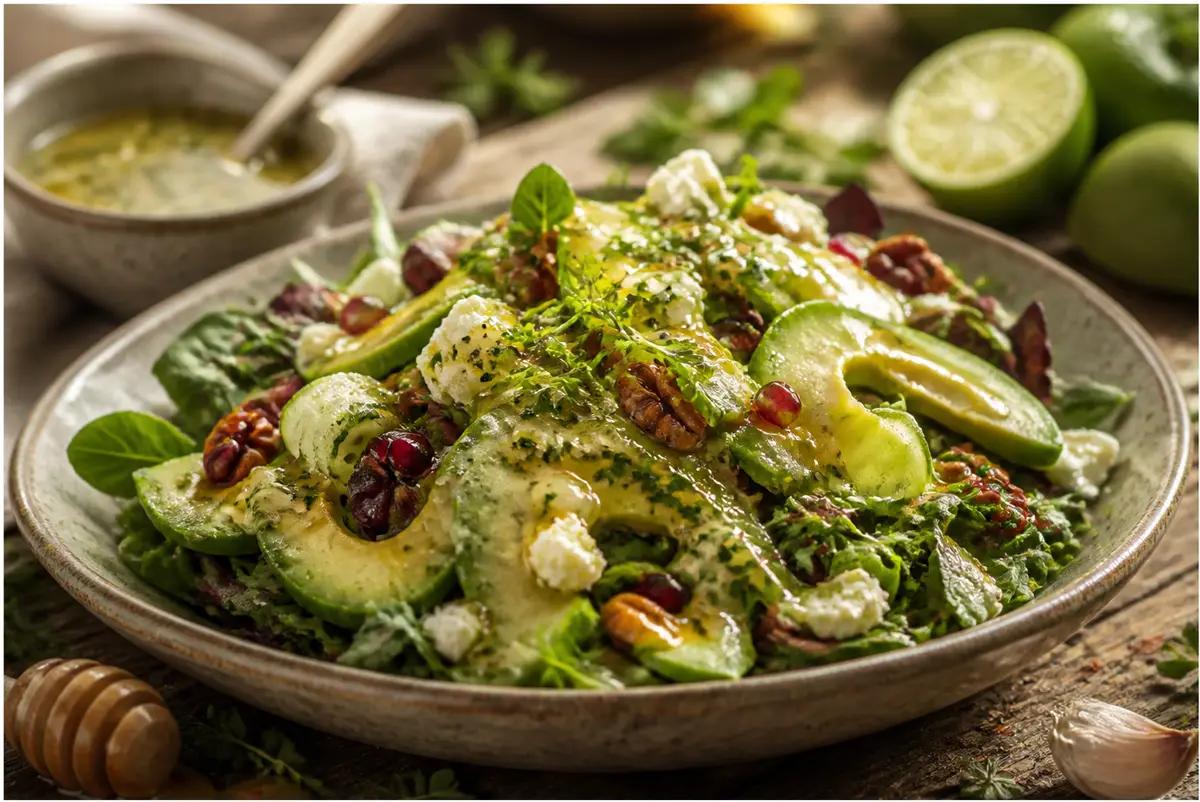
Table of Contents
- Why This Honey Lime Dressing Recipe Deserves a Permanent Spot in Your Kitchen
- What Gives This Dressing Its Bright, Balanced Flavor
- Ingredients You’ll Need for a Fresh Homemade Lime Dressing
- Making Honey Lime Dressing Recipe for Salads and Bowls From Scratch
- Small Details That Make a Big Flavor Difference
- Variations and Substitutions to Keep It Interesting
- How to Serve Honey Lime Dressing Recipe for Salads and Bowls for Maximum Impact
- How to Store and Freeze This Dressing
- Frequently Asked Questions
- A Bright Homemade Dressing You’ll Make on Repeat
Why This Honey Lime Dressing Recipe Deserves a Permanent Spot in Your Kitchen
- Ready in under 15 minutes: This no-cook dressing comes together in about 5 minutes.
- Made with pantry-friendly ingredients: Honey, olive oil, lime, garlic, and spices do all the heavy lifting.
- Works beyond salads: Spoon it over grain bowls, grilled chicken, shrimp, roasted vegetables, or fresh fruit.
- Beginner-friendly: You only need a bowl and a whisk, or a jar with a tight lid.
What Gives This Dressing Its Bright, Balanced Flavor
Fresh lime juice supplies sharp acidity, while honey rounds it out with gentle sweetness. Olive oil adds body, and a small amount of Dijon mustard helps the mixture stay blended instead of separating immediately. Garlic, salt, and black pepper keep the flavor from tasting flat.
The most important trick is tasting after whisking. Limes vary in acidity, and honey varies in sweetness, so the perfect ratio may need a tiny adjustment. Homemade wins over many bottled versions because it tastes fresh instead of overly sugary, oily, or faintly artificial.
Ingredients You’ll Need for a Fresh Homemade Lime Dressing
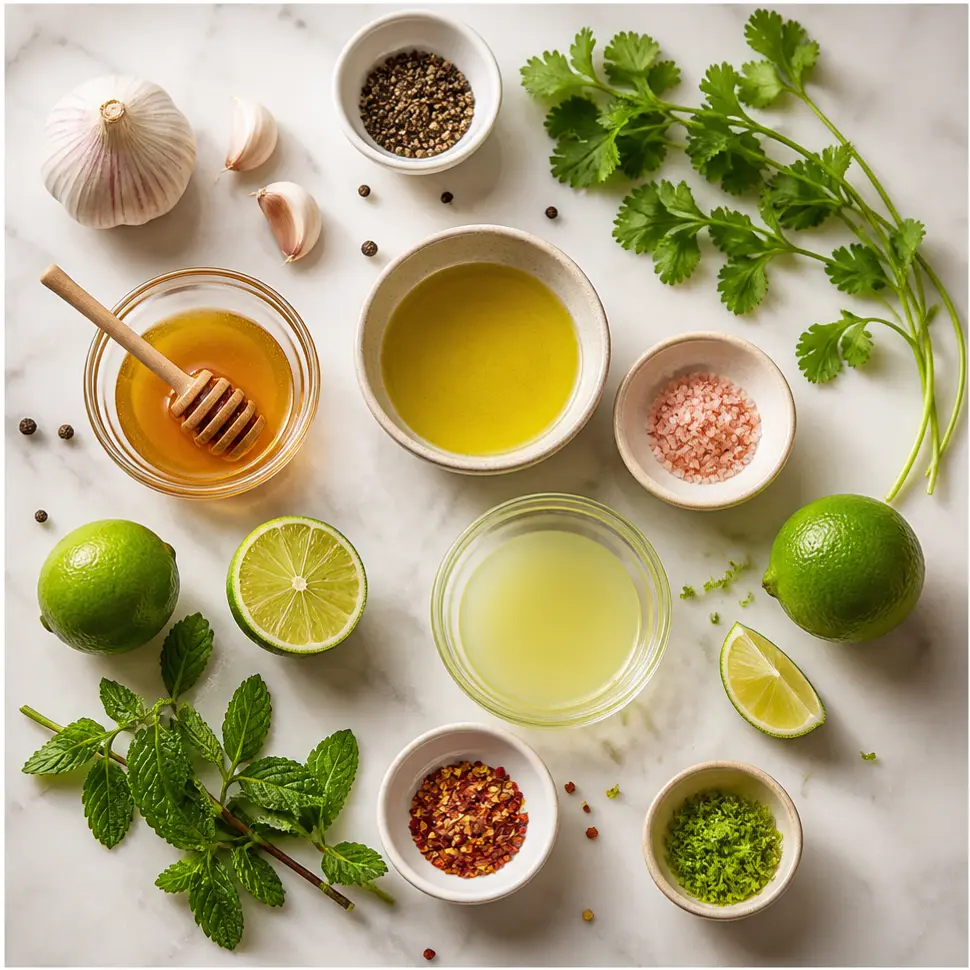
This recipe yields about 1 cup of dressing, enough for several salads or bowls. Use fresh lime juice whenever possible. Bottled lime juice can taste harsh and dull beside the honey.
- 1/2 cup extra-virgin olive oil: Provides a smooth, silky base. Use avocado oil for a milder flavor.
- 1/4 cup fresh lime juice: Brings the essential bright, citrusy acidity. Add 1 teaspoon lime zest for an even stronger lime flavor.
- 3 tablespoons honey: Balances the lime and gives the dressing its soft sweetness. Maple syrup works for a vegan variation.
- 1 tablespoon Dijon mustard: Adds gentle heat and helps emulsify the dressing.
- 1 small garlic clove, finely grated or minced: Adds savory depth. Use 1/4 teaspoon garlic powder for a milder result.
- 1/2 teaspoon kosher salt: Sharpens every flavor.
- 1/4 teaspoon freshly ground black pepper: Adds a subtle peppery finish.
- 2 tablespoons chopped fresh cilantro, optional: Adds herbal freshness. Flat-leaf parsley makes a milder substitute.
Making Honey Lime Dressing Recipe for Salads and Bowls From Scratch
- Juice the limes. Roll 2 to 3 limes firmly on the counter before cutting them. Squeeze them into a small bowl until you have 1/4 cup of juice, then strain out seeds. Zest one lime first if you want a more pronounced citrus aroma.
- Whisk the lime juice, honey, mustard, garlic, salt, and pepper. Mix until the honey dissolves and the garlic looks evenly distributed. The mixture should smell fresh, sharp, and lightly savory.
- Stream in the olive oil. Pour it slowly while whisking constantly. This creates a smoother emulsion and keeps the dressing from looking greasy or separated.
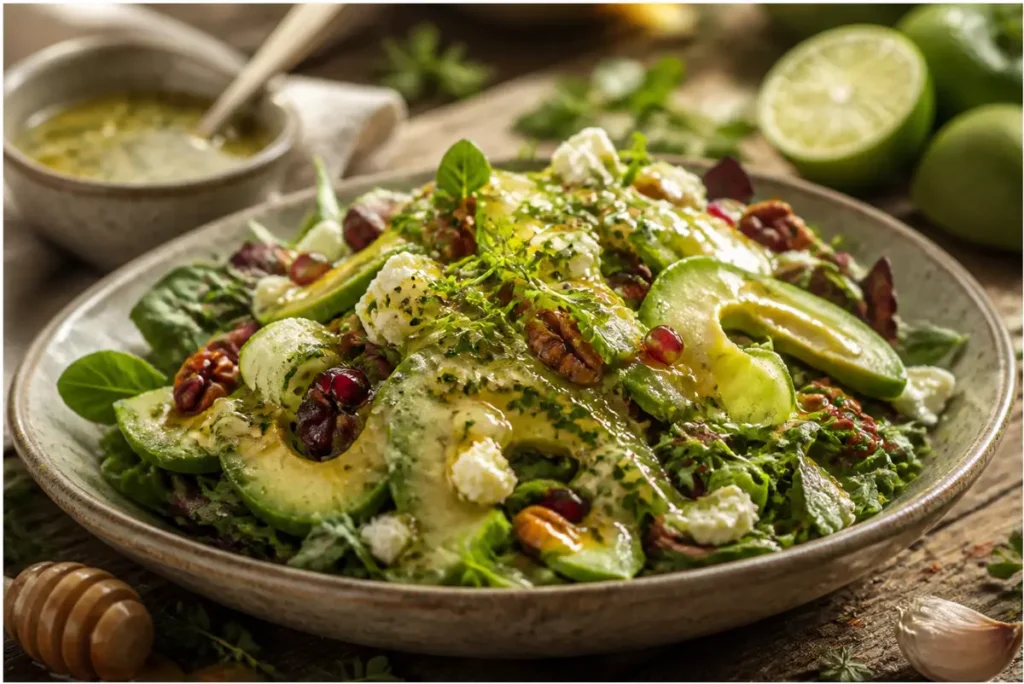
- Stir in the cilantro. Add the chopped herbs after the oil is incorporated. The finished dressing should look glossy and lightly thickened, with tiny flecks of garlic and herbs throughout.
- Taste and adjust. Add a pinch more salt if the flavor seems muted, another teaspoon of honey if the lime tastes too sharp, or a teaspoon of lime juice if the dressing feels too sweet. Don’t skip this step, because tasting is how you turn a good dressing into your favorite one.
- Rest the dressing. Let it sit for 5 minutes before serving. This short rest allows the garlic and lime to settle into the oil and honey.
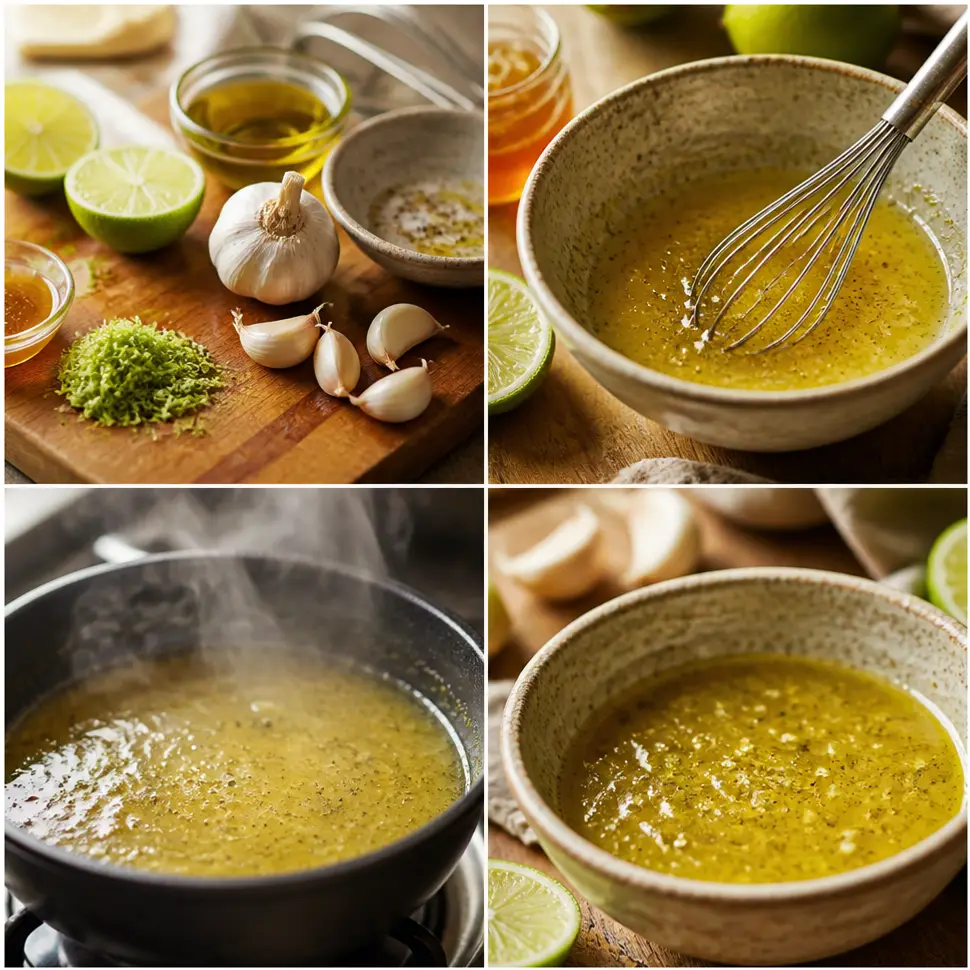
For a very smooth texture, blend everything in a small blender for 15 to 20 seconds. A jar works just as well for a rustic dressing. Add all the ingredients, seal it tightly, and shake until the mixture looks creamy and evenly combined.
Small Details That Make a Big Flavor Difference
- Use room-temperature ingredients: Oil and lime juice combine more easily when they aren’t cold from the refrigerator.
- Don’t overwhelm the lime: Start with the listed garlic amount. Raw garlic becomes stronger as the dressing rests.
- Fix the consistency easily: If it seems too thick, whisk in 1 teaspoon of water. If it seems too thin, add 1 teaspoon more Dijon and shake again.
- Make it creamier: Whisk in 2 tablespoons of Greek yogurt or mashed avocado for a creamy dressing. The flavor becomes softer and the texture more substantial.
- Add heat carefully: A pinch of cayenne, 1/4 teaspoon red pepper flakes, or a finely chopped jalapeño brings welcome warmth.
- Dress greens lightly: Start with 1 tablespoon per serving, toss, and add more only if needed. Too much dressing can flatten crisp lettuce.
If you’re building a bold dinner bowl, this dressing pairs especially well with grilled lamb, roasted chickpeas, and crunchy vegetables. For another herb-forward option, keep my chimichurri sauce recipe in your rotation when you want a sharper, greener finish.
Variations and Substitutions to Keep It Interesting
- Make it vegan: Replace honey with an equal amount of pure maple syrup or agave nectar. Maple gives the dressing a slightly deeper flavor.
- Make it creamy: Add Greek yogurt, tahini, or avocado. Tahini brings a nutty note that works beautifully in grain bowls.
- Make it spicy: Blend in a seeded jalapeño, a pinch of cayenne, or a teaspoon of adobo sauce for smoky heat.
- Make it smoky: Add 1/4 teaspoon smoked paprika and use it over grilled corn, black beans, and chicken.
- Make it herby: Replace cilantro with mint, parsley, or basil. Mint is especially good with watermelon, cucumber, and feta.
- Make it nutty: Whisk in 1 tablespoon almond butter or cashew butter, plus 1 to 2 teaspoons warm water to loosen it.
The dressing is naturally gluten-free and dairy-free as written. If you’re serving it with a marinade, this Lamb Marinade Recipe for Juicy meat makes a wonderful companion for a citrusy salad or couscous-style bowl.
How to Serve Honey Lime Dressing Recipe for Salads and Bowls for Maximum Impact
- Build a colorful salad: Toss mixed greens with avocado, cucumber, corn, black beans, red onion, and toasted pumpkin seeds.
- Finish a grain bowl: Drizzle it over quinoa or brown rice with roasted sweet potatoes, chickpeas, cabbage, and grilled chicken.
- Pair it with seafood: Spoon it over grilled shrimp, salmon, or white fish with a side of rice and fresh herbs.
- Use it for meal prep: Pack the dressing separately from the greens and crunchy toppings so everything stays fresh.
Fresh produce and colorful toppings make this dressing especially useful during warm-weather meals. The USDA also encourages adding more fruits and vegetables to everyday meals, which you can read about in USDA: Brighten Your Summer Meals with Fruits and Vegetables.
How to Store and Freeze This Dressing
Store the dressing in a clean glass jar or airtight container in the refrigerator for up to 1 week. The olive oil may firm up when chilled, so let the jar sit at room temperature for 10 to 15 minutes, then shake vigorously before serving.
This dressing can be frozen, but I don’t recommend it for the best texture. Lime juice and oil may separate after thawing, and the herbs can lose their fresh quality. If you do freeze it, pour it into an ice cube tray, freeze for up to 1 month, thaw a portion in the refrigerator, and whisk it thoroughly before using.
For make-ahead meals, prepare the dressing a day in advance. The garlic flavor will become more noticeable overnight, so taste it again and add a splash of lime juice or water if the flavor feels too strong.
This dressing takes 5 minutes to prep, requires no cooking, yields about 1 cup, serves approximately 8, and is easy enough for beginner cooks.
Frequently Asked Questions
You can use pure maple syrup or agave nectar in an equal amount. Maple syrup creates a slightly richer flavor, while agave keeps the dressing lighter and very smooth.
How long does homemade honey lime salad dressing last?Homemade honey lime salad dressing lasts up to 1 week in an airtight container in the refrigerator. Shake it before each use because the oil and lime juice naturally separate.
Can honey lime dressing be frozen?Honey lime dressing can be frozen for up to 1 month, although the texture may separate after thawing. Freeze it in small portions, thaw it in the refrigerator, and whisk thoroughly before serving.
Is honey lime dressing gluten-free?Yes, this dressing is naturally gluten-free when all packaged ingredients are certified gluten-free if needed. Honey, lime juice, olive oil, mustard, garlic, salt, and pepper contain no gluten by nature.
How can I make honey lime dressing vegan?Replace the honey with maple syrup or agave nectar to make the dressing vegan. Use the same quantity and taste before adding more, since maple syrup can taste less sweet than honey.
Why is my lime dressing too sour?Add honey 1 teaspoon at a time until the acidity tastes balanced. You can also whisk in a tablespoon of olive oil or water to soften the sharp lime flavor.
How do I fix dressing that separates?Whisk it vigorously or shake it in a tightly sealed jar for 15 seconds to bring the ingredients back together. Adding Dijon mustard helps stabilize the emulsion, but natural separation will still happen during storage.
When should I add honey lime dressing to a salad?Add it just before serving and toss lightly so the greens stay crisp. For meal prep, store it separately and drizzle it over the salad when you’re ready to eat.
A Bright Homemade Dressing You’ll Make on Repeat
This honey lime dressing brings the fresh, lively flavor I want from a healthy dressing for salads without requiring a long ingredient list or complicated technique. It’s sweet, tangy, garlicky, and flexible enough to fit whatever you’re cooking tonight.
Make a jar, taste it with a spoon, and adjust it until it suits you. If you try it, leave a comment and rate the recipe, then save it for your next lunch or share it on Pinterest with your favorite salad and bowl recipes.