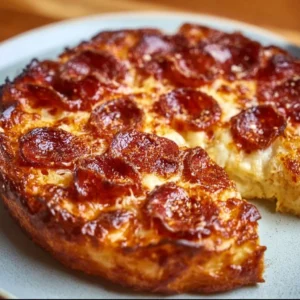
I’ve been making this simple, protein-packed egg bake for weekday breakfasts and lazy weekend brunches for years. Baked Cottage Cheese Eggs are creamy, custardy, and forgiving the cottage cheese gives richness and lift without extra fat, and you can customize them with veggies, herbs, or bacon for whatever you have on hand.
Why you’ll love this dish
This recipe is quick to pull together, uses pantry staples, and gives you a reliable, high-protein breakfast or meal-prep option. It’s perfect when you want something more interesting than scrambled eggs but don’t want to babysit the stove. The cottage cheese melts into a silky custard that keeps the eggs moist even after baking.
“A weeknight hero — creamy, easy to scale, and picky eaters love the texture. I make a batch on Sunday and we eat them all week.” — home cook review
Reasons to try it right now:
- High protein and satisfying — great for mornings or a light dinner.
- Flexible — add vegetables, herbs, or cured meats to change the profile.
- Budget-friendly — uses affordable cottage cheese and eggs.
- Meal-prep friendly — reheats and freezes well.
The cooking process explained
This is a straightforward assembly-bake recipe. You whisk eggs with cottage cheese (and a splash of milk if you want a looser custard), season, fold in herbs and mix-ins, then portion into ramekins or a small baking dish. Top with a little shredded cheese if you like and bake at 375°F (190°C) until just set — about 20–25 minutes. Cooling briefly helps them finish setting and makes them easier to unmold.
What to expect when you cook:
- Whisk to combine the curd and eggs — aim for a mostly smooth batter.
- Fold in any veggies cooked ahead (especially mushrooms/peppers) to avoid watering down the custard.
- Bake until the center is set but not rubbery — they should jiggle slightly.
- Let them rest a few minutes so the texture firms up for serving.
What you’ll need
- 6 large eggs
- 1/2 cup cottage cheese (2% or full-fat recommended for creaminess)
- 1/4 cup milk or cream (optional — use for a silkier texture)
- 1/2 tsp salt
- 1/4 tsp black pepper
- 1/2 tsp garlic powder (optional)
- 2 tbsp grated Parmesan or shredded cheddar (optional, folded in)
- 1 tbsp chopped fresh herbs (parsley, chives, or dill)
- 1/2 cup diced vegetables (spinach, tomatoes, bell peppers, mushrooms) — optional, sauté firmer veg first
- 1/4 cup cooked bacon bits or diced ham — optional for extra protein and flavor
- 1/4 cup shredded cheese for topping — optional (cheddar, mozzarella, or Gruyère)
Substitution notes:
- Swap cottage cheese for ricotta if you prefer a milder, slightly grainier curd (texture will be similar).
- Use unsweetened non-dairy milk to make it lactose-reduced (texture may be a touch less rich).
- For lower sodium, choose low-salt cottage cheese and reduce added salt.
Step-by-step instructions
- Preheat the oven to 375°F (190°C). Lightly grease four ramekins, a small baking dish, or a muffin tin with olive oil or nonstick spray.
- Crack the eggs into a medium bowl. Add cottage cheese, milk or cream (if using), salt, pepper, and garlic powder. Whisk until mostly smooth. Small curds are fine.
- Fold in the fresh herbs. Stir in any vegetables or cooked proteins you like. Mix until evenly distributed.
- Divide the egg mixture into the prepared ramekins or dish. Sprinkle the shredded cheese on top, if using.
- Bake for 20–25 minutes, until the eggs are just set and lightly golden on top. The centers should barely jiggle.
- Remove from the oven and let cool for a few minutes before serving. Carefully run a knife around the edges if using ramekins. Serve warm with toast, sliced avocado, or a crisp salad.

Best ways to enjoy it
- Serve the baked eggs with whole-grain toast and avocado for a balanced breakfast.
- Top each portion with a spoonful of salsa or a dollop of Greek yogurt for brightness.
- Make a brunch board: mini ramekins alongside smoked salmon, fruit, and crusty bread.
- For a low-carb plate, pair with a peppery arugula salad dressed in lemon and olive oil.
Storage and reheating tips
- Refrigeration: Cool completely, then store in an airtight container for up to 4 days. Reheat covered in the microwave for 45–90 seconds, or in a 325°F (160°C) oven for 8–12 minutes until warmed through.
- Freezing: Freeze individual portions in freezer-safe containers or wrapped tightly for up to 3 months. Thaw overnight in the fridge before reheating.
- Food safety: Eggs should be refrigerated within two hours of baking. Reheat only once for best texture and safety.
Pro chef tips
- Sauté sturdy vegetables (mushrooms, bell peppers, onions) first to concentrate flavor and prevent watery custard.
- Use full-fat cottage cheese for the creamiest result; 2% is an easy compromise. Low-fat varieties can make the bake drier.
- Don’t overbake — centers should still jiggle slightly. They’ll continue to set as they rest.
- If using a muffin tin, reduce baking time by 3–5 minutes and check early.
- For perfect portioning, weigh the total batter and divide evenly into dishes for consistent cooking.
Creative twists
- Mediterranean: Add sun-dried tomatoes, crumbled feta, oregano, and a sprinkle of za’atar.
- Southwestern: Fold in corn, black beans, chopped cilantro, and top with pepper jack and salsa.
- Green version: Double the spinach, add leeks, dill, and a squeeze of lemon for brightness.
- Low-carb/Keto: Omit milk, use full-fat cottage cheese, and load up on bacon and cheddar.
- Vegetarian protein boost: Stir in cooked quinoa or lentils for extra substance and texture.
FAQ
Q: How long does it take to make Baked Cottage Cheese Eggs?
A: Active prep is about 10 minutes—whisking and folding in mix-ins. Bake time runs 20–25 minutes, so plan for roughly 35 minutes total. Cooling adds a few more minutes before serving.
Q: Can I use low-fat or non-fat cottage cheese for Baked Cottage Cheese Eggs?
A: Yes, but expect a slightly drier, less creamy texture with low-fat or non-fat cottage cheese. If using lower-fat cheese, add the optional 1/4 cup milk or cream to improve mouthfeel.
Q: Are Baked Cottage Cheese Eggs high in protein?
A: Absolutely. Between the eggs and cottage cheese, this recipe delivers a substantial protein boost per serving, making it ideal for post-workout breakfasts or high-protein meal prep.
Q: Can I make Baked Cottage Cheese Eggs ahead for meal prep?
A: Yes. Bake them, cool completely, and refrigerate in airtight containers for up to 4 days. Reheat gently in the microwave or oven. They’re also freezable for up to 3 months.
Q: Is it safe to reheat Baked Cottage Cheese Eggs?
A: Yes — reheat only once to maintain quality and food safety. Microwave in short bursts or warm in a low oven until heated through. Always make sure they reach a safe internal temperature before eating.
Q: Can I turn this into a dairy-free or vegan version?
A: Dairy-free: use a plant-based cottage cheese alternative (rare) or silken tofu blended until smooth, and non-dairy milk; texture will differ. Vegan: replace eggs with a chickpea-flour batter or commercial egg replacer, but it becomes a different dish rather than Baked Cottage Cheese Eggs.
Q: Should vegetables be cooked before adding to the mixture?
A: Yes for most vegetables. Sauté firmer vegetables (mushrooms, peppers, onions) to remove excess moisture and concentrate flavor. Leafy greens like spinach can be wilted or added raw in small amounts.
Q: Can I use a muffin tin instead of ramekins for Baked Cottage Cheese Eggs?
A: Yes. Muffin tins are great for single-serving breakfast bites. Reduce bake time slightly and check for doneness earlier — about 15–20 minutes depending on size.
Q: My baked eggs turned out watery. What went wrong?
A: Likely too much water from raw vegetables or low-fat cottage cheese. Sauté veggies first and drain excess liquid. Use full-fat cottage cheese or add less milk to reduce water content.
Q: What’s the best cheese for topping Baked Cottage Cheese Eggs?
A: Cheddar, Gruyère, and Parmesan each offer different profiles: cheddar melts and adds sharpness, Gruyère contributes a nutty richness, and Parmesan gives a salty crust. Use what complements your mix-ins.
Conclusion
If you liked this version, you may enjoy comparing techniques and tips in other takes on the dish, such as this Cottage Cheese Egg Bake (Easy + High Protein), or trying a family-style variation at Cottage Cheese Eggs – The Modern Nonna. For more meal-prep ideas and high-protein bakes, see Cottage Cheese Egg Bake {easy high-protein meal prep!}.
Print
Baked Cottage Cheese Eggs
- Total Time: 35 minutes
- Yield: 4 servings 1x
- Diet: High Protein, Vegetarian
Description
A creamy and protein-packed egg bake that’s easy to prepare and perfect for meal prep or brunch.
Ingredients
- 6 large eggs
- 1/2 cup cottage cheese (2% or full-fat recommended)
- 1/4 cup milk or cream (optional)
- 1/2 tsp salt
- 1/4 tsp black pepper
- 1/2 tsp garlic powder (optional)
- 2 tbsp grated Parmesan or shredded cheddar (optional)
- 1 tbsp chopped fresh herbs (parsley, chives, or dill)
- 1/2 cup diced vegetables (spinach, tomatoes, bell peppers, mushrooms) – optional
- 1/4 cup cooked bacon bits or diced ham – optional
- 1/4 cup shredded cheese for topping – optional
Instructions
- Preheat the oven to 375°F (190°C) and lightly grease four ramekins or a baking dish.
- Crack the eggs into a medium bowl, add cottage cheese, milk or cream, salt, pepper, and garlic powder. Whisk until mostly smooth.
- Fold in the fresh herbs and mix in any vegetables or cooked proteins.
- Divide the mixture between the prepared ramekins or dish and sprinkle cheese on top if using.
- Bake for 20-25 minutes until lightly golden and the center jiggles slightly.
- Let cool for a few minutes before serving, running a knife around edges if using ramekins.
Notes
Great for meal prep, stores well in the fridge for up to 4 days, or can be frozen for up to 3 months.
- Prep Time: 10 minutes
- Cook Time: 25 minutes
- Category: Breakfast
- Method: Baking
- Cuisine: American
Nutrition
- Serving Size: 1 ramekin
- Calories: 280
- Sugar: 3g
- Sodium: 350mg
- Fat: 15g
- Saturated Fat: 6g
- Unsaturated Fat: 8g
- Trans Fat: 0g
- Carbohydrates: 6g
- Fiber: 1g
- Protein: 22g
- Cholesterol: 360mg